
Animal Species
We love all animals
What Are The Different Animal Groups?
Are you thinking about adding a pet to your family? It may surprise you how many different kinds of animals could make the perfect pet companion. To give you an idea about your options and to learn what exotic pets are legal in Florida, keep reading!
The six main animal groups are:
- Invertebrates: Invertebrates account for 97 percent of all species on earth. Dating back to millions of years ago, they are among the most basic and low-maintenance pets you can find. Insects, for instance, like lady or pill bugs can be a fun first “pet” for young children.
- Fish: Fish are more than 500 million years old. They can be beautiful, fun and easy-to-care-for pets to have in your home.
Amphibians: Most amphibians are semi-aquatic, meaning they like water in their habitat. These types of animals include frogs, toads and salamanders. - Reptiles: These types of animals date back to the days of the dinosaurs. Turtles, snakes and lizards are all examples of potential reptilian pets.
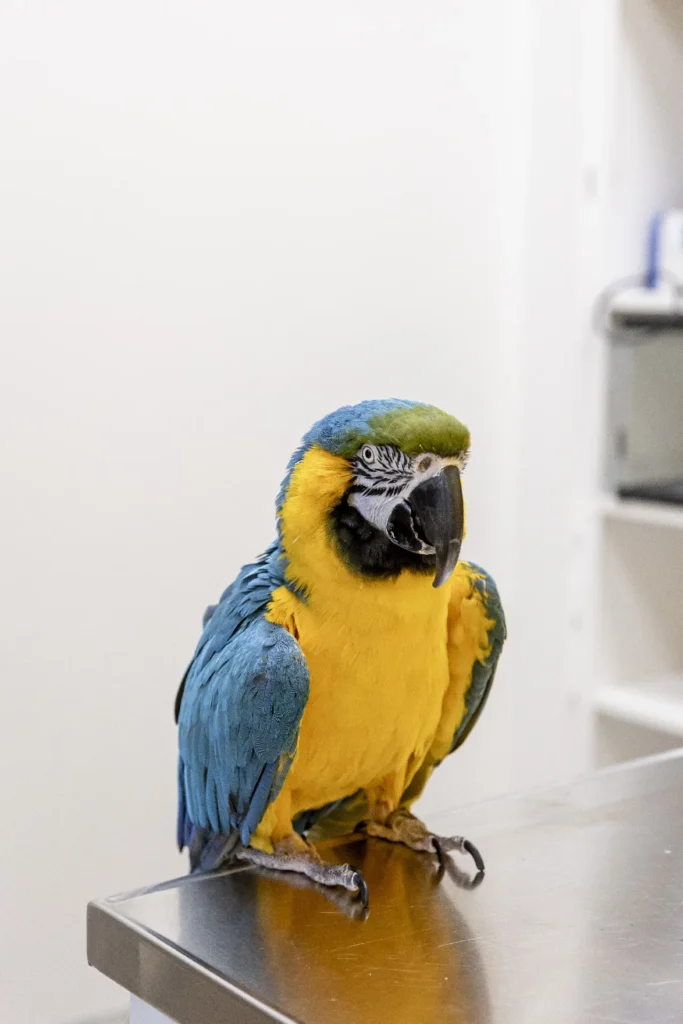
- Birds: Birds are the fish of the sky. With more than 10,000 species on the planet, the pet bird options you have to choose from are vast.
- Mammals: As you may know already, humans are mammals. Pets like cats, dogs, guinea pigs and hamsters are all mammals that make for excellent pets.
Prevention is key
Animals we can help with
Animal Types
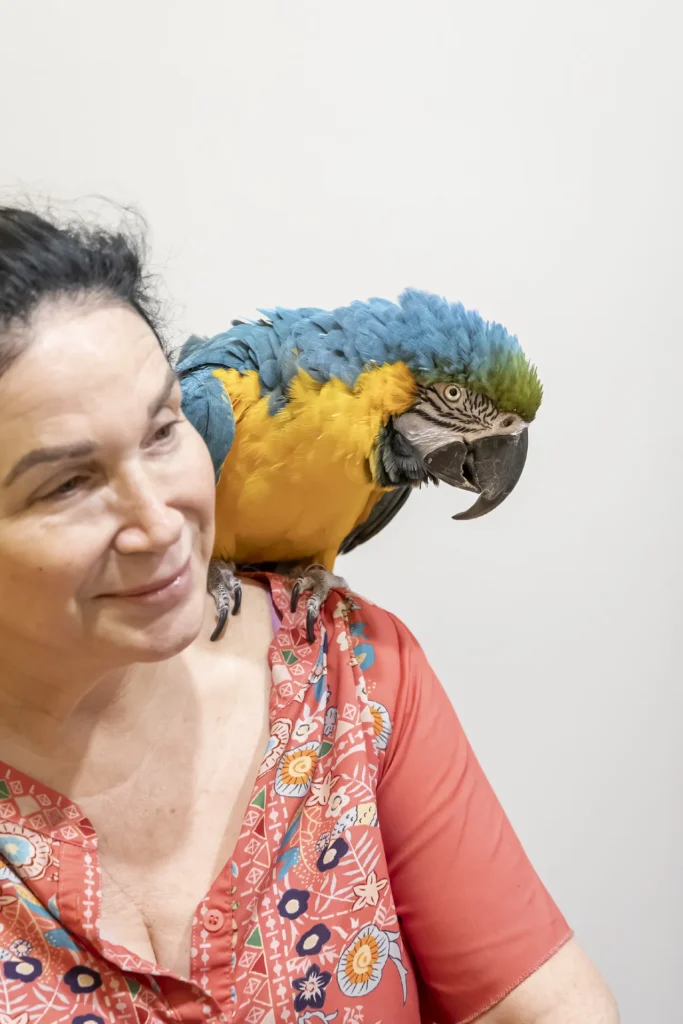
Birds
Birds are intelligent, social animals that require mental stimulation, proper nutrition, and regular care. Many birds form strong bonds and thrive with interaction.
Animal Types
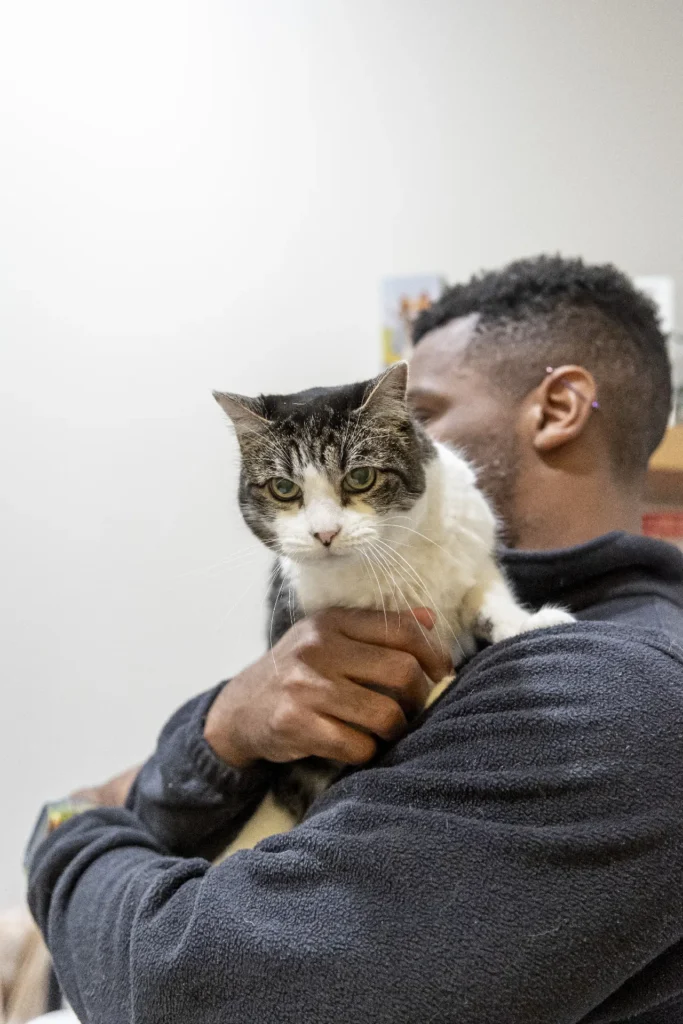
Cats
Cats are independent yet affectionate companions known for their agility, grooming habits, and playful personalities. Proper care helps cats live long, healthy lives.
Animal Types
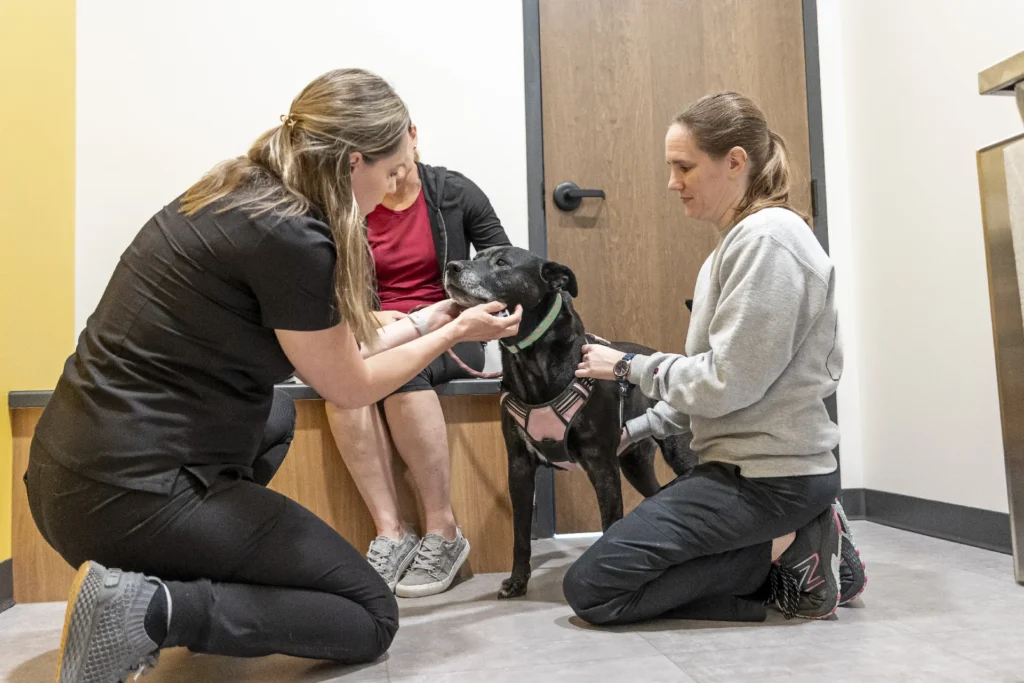
Dogs
Dogs are loyal, social companions that thrive on routine, training, and exercise. They come in many breeds, each with unique personalities, care needs, and energy…
Animal Types
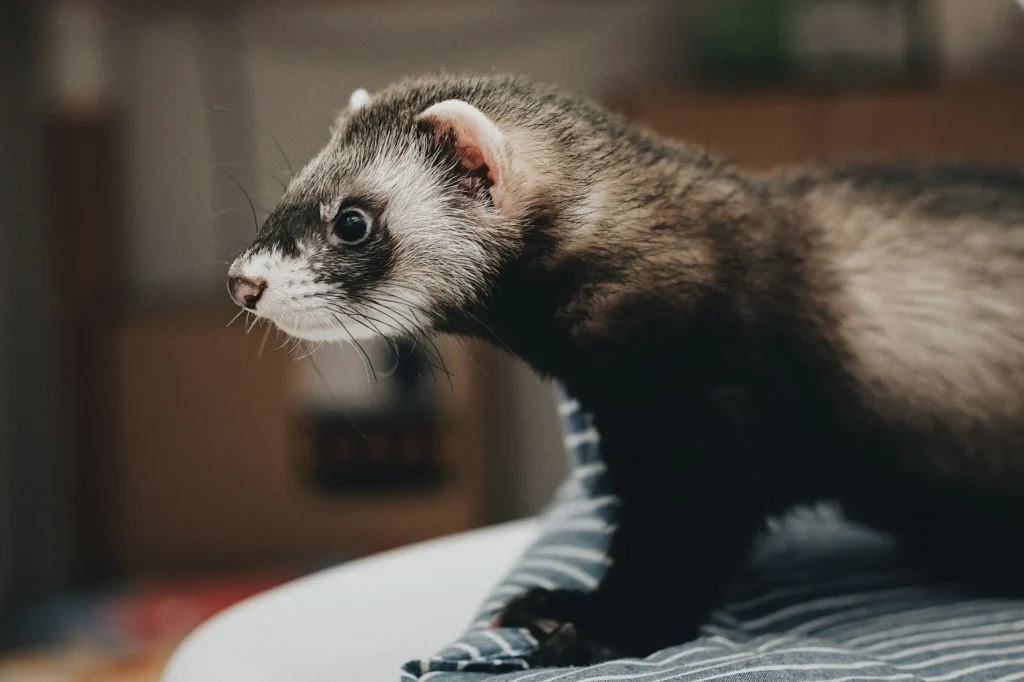
Ferrets
Ferrets are curious, playful pets known for their energetic personalities and intelligence. They require proper housing, nutrition, and regular interaction to stay happy and healthy.
Animal Types
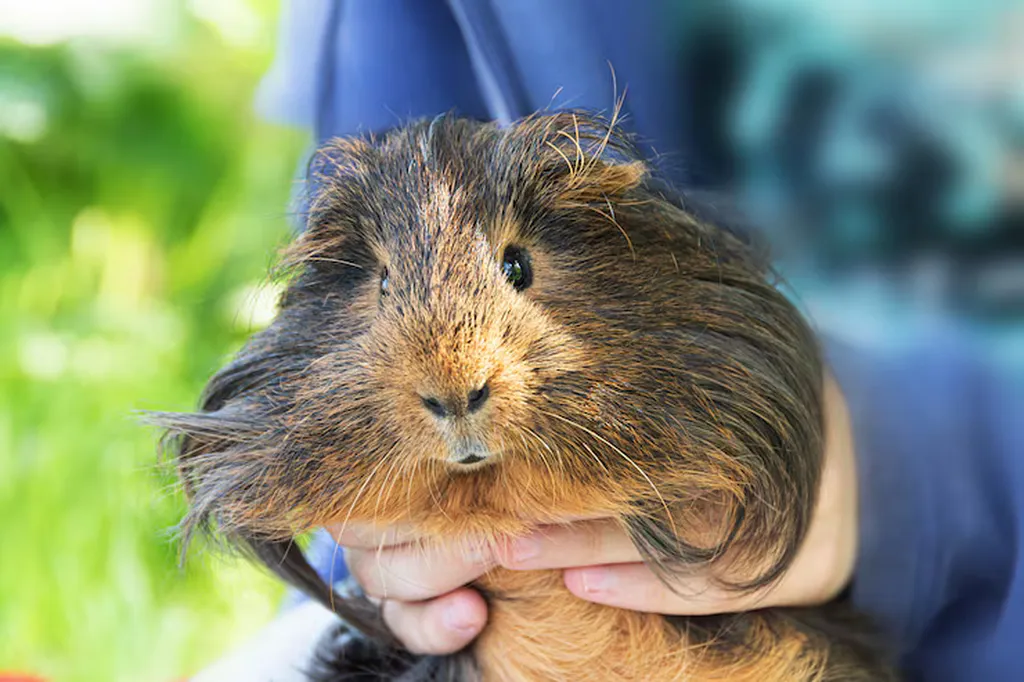
Guinea Pigs
Guinea pigs are gentle, social rodents that thrive in pairs and require proper diet, vitamin C, and spacious enclosures to stay healthy and comfortable.
Animal Types
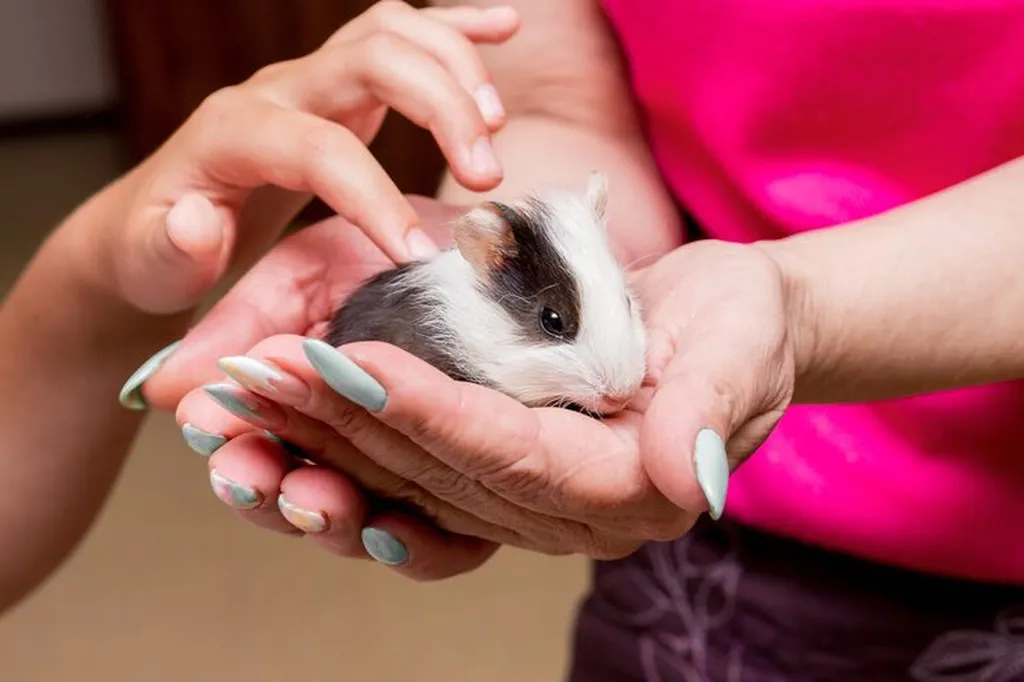
Hamsters
Hamsters are small, nocturnal pets that are relatively low maintenance but require proper housing, enrichment, and diet to live healthy, comfortable lives.
Animal Types
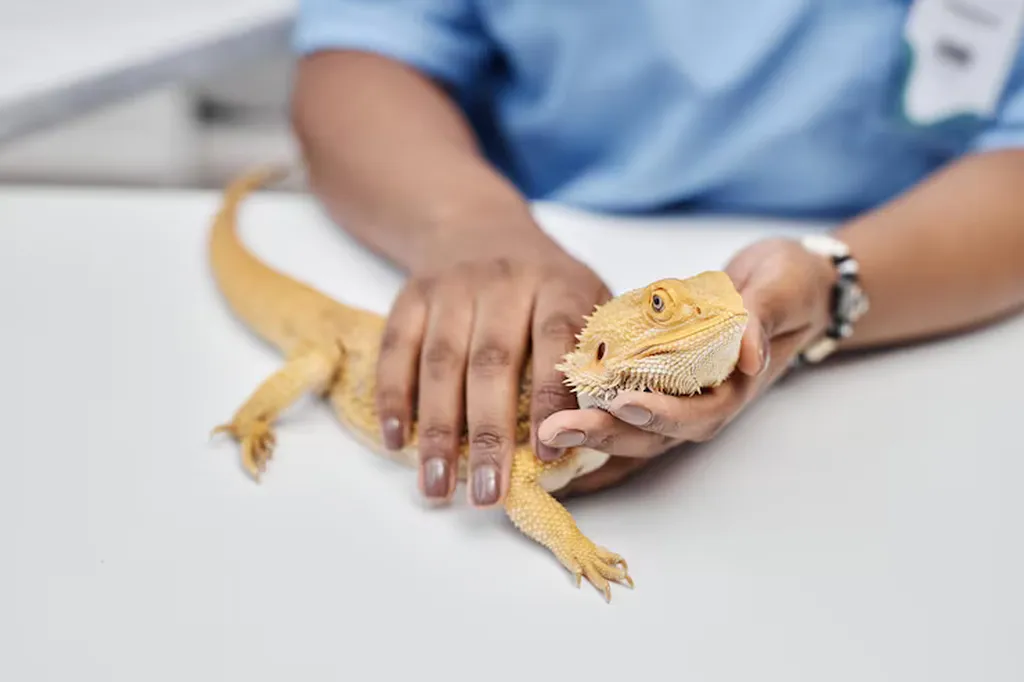
Lizards
Lizards are unique reptiles that require specific heating, lighting, and habitat setups. With proper care and environment, many lizards can thrive in captivity.
Animal Types
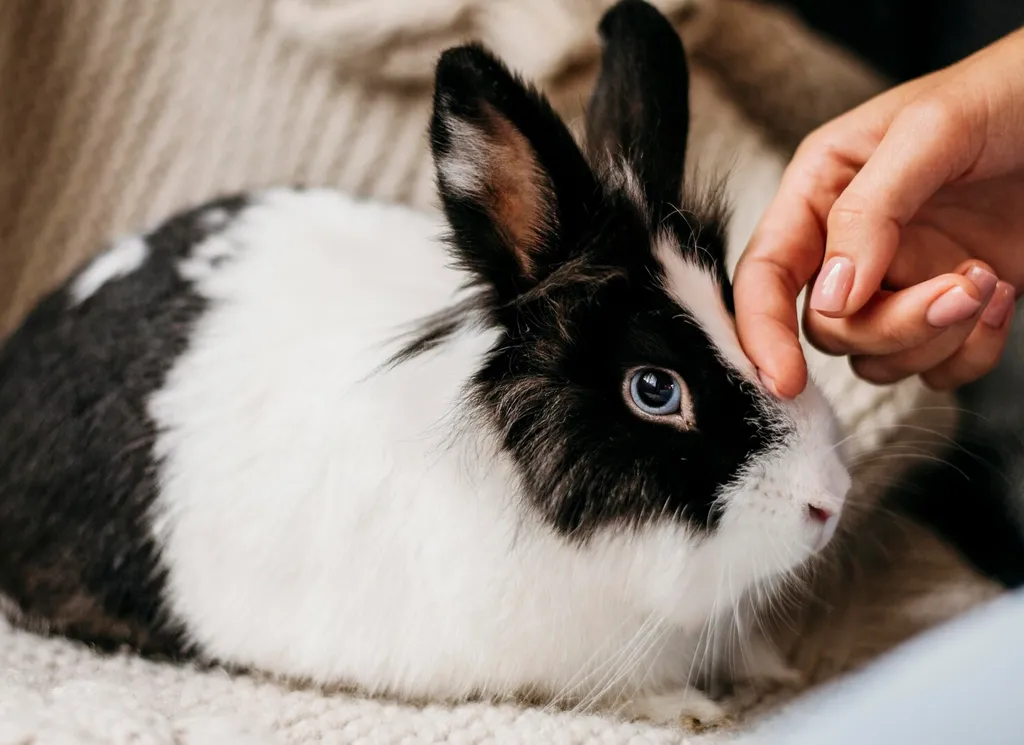
Rabbits
Rabbits are social, intelligent animals that require space to move, proper diet, and regular care. They can form strong bonds with their families.
Animal Types
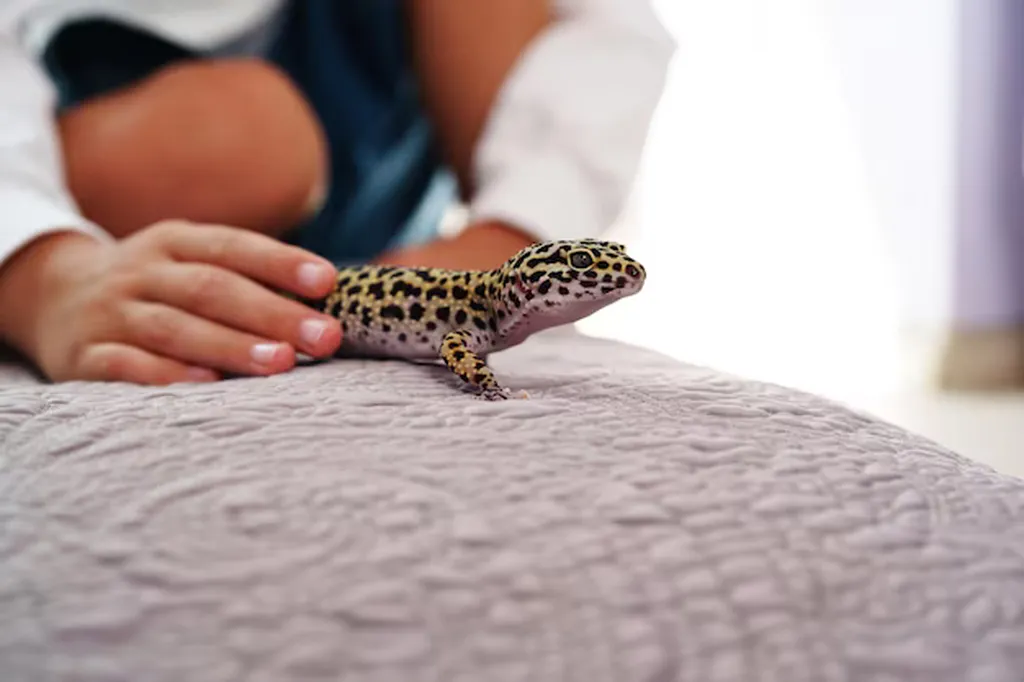
Reptiles
Reptiles are diverse pets with specific habitat, temperature, and dietary needs. Proper setup and care are essential for keeping reptiles healthy and thriving.
Animal Types
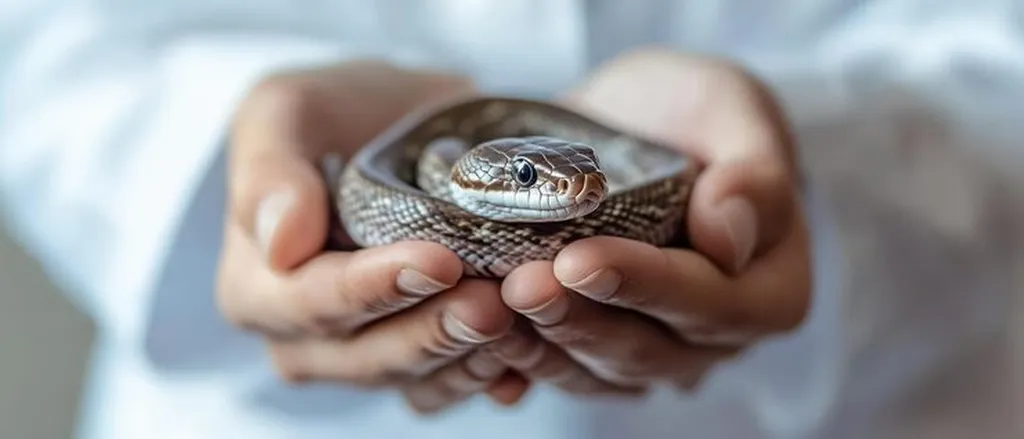
Snakes
Snakes are quiet, low-maintenance reptiles that require proper enclosure setup, temperature control, and feeding schedules to remain healthy and stress-free in captivity.
Animal Types
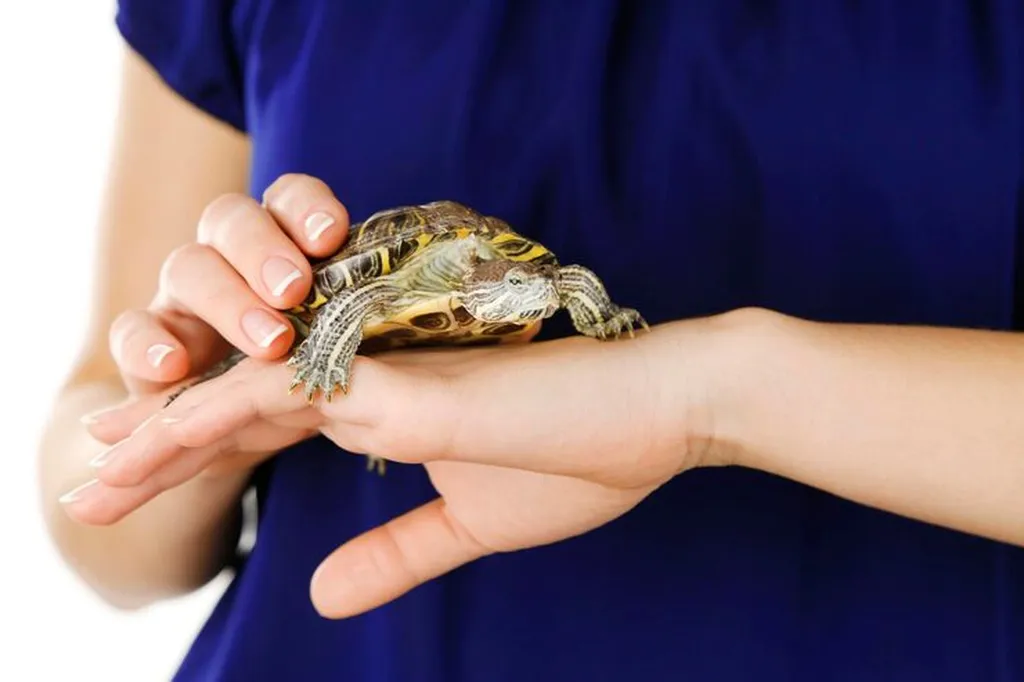
Turtles
Turtles are long-lived reptiles that require proper habitat, lighting, temperature control, and nutrition. With the right care, turtles can be healthy, interactive pets.

Animal Types
Don’t see your pet listed?
We care for more than just traditional species. If your animal isn’t listed, please contact us — there’s a good chance we can help. We’ve even treated unique patients like peacocks, skunks, and coatimundis!
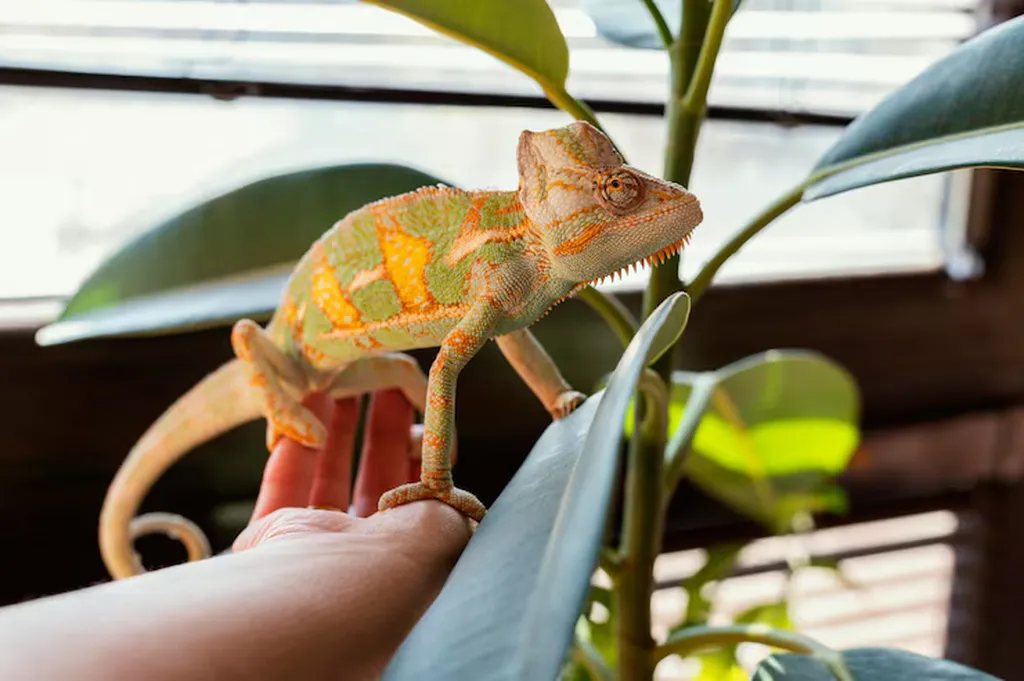
Exotic Animals
What Exotic Pets Are Legal In Florida?
Are you interested in becoming the owner of an exotic animal? Well, you’re in luck. The state of Florida recognizes some exciting and interesting types of animals as legal pets. These pets include bats, deer, New Guinea singing dogs, Asian leopard cats, marmosets, foxes, squirrels, skunks, raccoons and — get ready for this one — sloths!*If you’ve ever dreamed about owning and loving your very own squirrel, skunk or sloth and you live in Florida, you can make that dream come true with the right knowledge, training, tools and property.
Learn More About Our Exotic CareLearn More
Caring For Different Types Of Exotic Animals
While owning an exotic animal will require extra learning and researching about how to care for exotic pets, it can be incredibly rewarding. To become an owner of any of the animals listed above, you must first apply for a permit. For a class 3 permit, you must answer questions about the animals you intend to own and how you plan to take care of them.
Many online resources help you prepare for this step toward becoming an exotic pet owner. We’re also here to help in any way we can. If you already own an exotic pet, cat or dog and suspect a health issue, schedule an appointment at University Animal Clinic right away.
Many online resources help you prepare for this step toward becoming an exotic pet owner. We’re also here to help in any way we can. If you already own an exotic pet, cat or dog and suspect a health issue, schedule an appointment at University Animal Clinic right away.
Learn More
Interested In Adding An Exotic Pet To Your Family?
University Animal Clinic specializes in providing exotic pet care and veterinary services for all types of exotic pets. Call us today at (941) 253-5218 or contact us online. We’re here to answer any questions you may have. To speak with a veterinarian in person, please visit our office located in Bradenton, Florida.
*Though some exotic pets may be legally owned in the state of Florida, University Animal Clinic does not offer services for bats, squirrels, monkeys, or spiders at this time. For the safety of our staff and other animals, we may see raccoons or skunks only if they have the appropriate legal credentials and documentation for ownership, due to the rabies risk commonly associated with these animals.
*Though some exotic pets may be legally owned in the state of Florida, University Animal Clinic does not offer services for bats, squirrels, monkeys, or spiders at this time. For the safety of our staff and other animals, we may see raccoons or skunks only if they have the appropriate legal credentials and documentation for ownership, due to the rabies risk commonly associated with these animals.