
Turtles
Turtles
What You Need To Know About Pet Turtles
It’s no secret that turtles make adorable pets. While they may not be the cuddly type, turtles are cute and easy to take care of — with proper preparation. If you’re wondering how to take care of a pet turtle or how to spot the symptoms of some health challenges they face, keep reading!
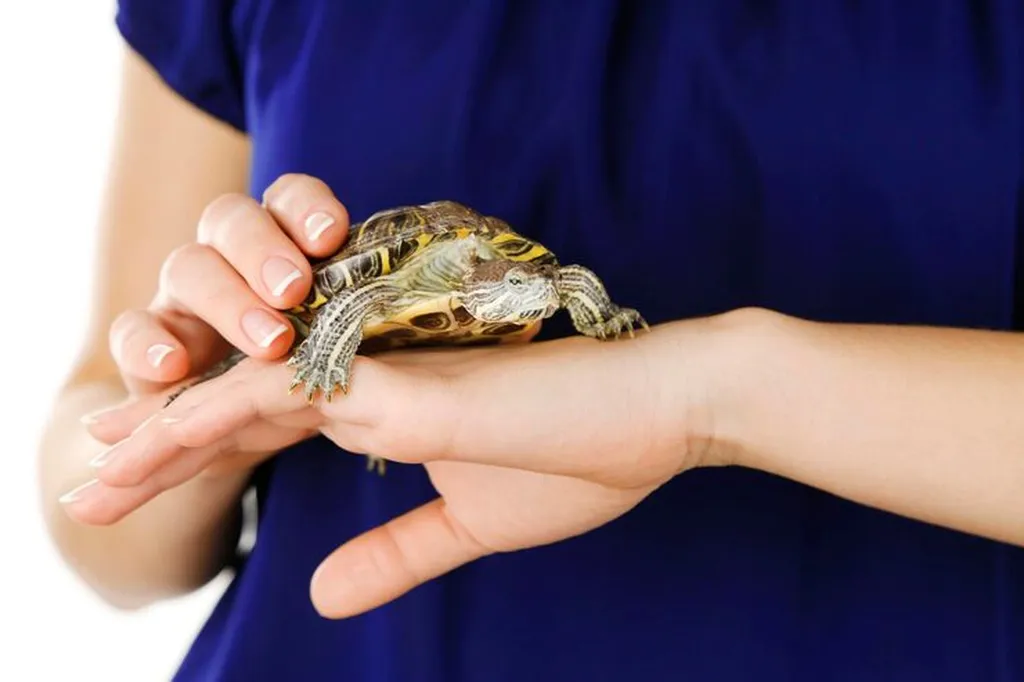
How to Care for A Pet Turtle
A bit of background research is all that’s required when it comes to setting up the perfect living conditions for your new pet. That’s why we’ve put together this list of turtle care basics:
- Habitat: It’s crucial for turtles to have spaces big enough for them to move around. They also require a certain amount of heat. When you decide on your specific turtle, be sure to do extra research regarding its needs and requirements.
- Diet: Turtles don’t need to eat every day. A mix of insects, vegetables and pellets four to five times a week is all they need.
- Sunlight: Sunlight plays a crucial role in your turtle developing a strong, healthy shell. Putting your turtle tank somewhere with access to the sun is generally a good idea.
- Lifespan: Turtles can live for up to 20 years. If you’re considering buying one, make sure you’re in it for the long haul!
Most Common Health Issues for Turtles
To keep your turtle fit, happy and comfortable, it’s essential to learn about the common health issues they face. Inspecting your turtle daily ensures you’re aware of its health and can keep an eye out for any of the following health issues:
- Fractures: Any breaks in your turtle’s shell will most likely be fixable by a vet. To avoid fractures, keep your pet’s shell thoroughly clean at all times and never drop your turtle.
- Shell Infections: Infections may arise from contaminated turtle shells. Cleaning their shells regularly is an excellent routine to get into for proactive health care.
- Parasites: Roundworms are common parasites found in turtle feces. While they are hard to detect, be on the lookout for diarrhea and weight loss.
- Respiratory Diseases: A vitamin A deficiency is the cause of most respiratory infections. If you notice swelling around your turtle’s nose and eyes, a loss of energy or lack of appetite, they may be suffering from a cold. Try adding in more spinach to your pet’s diet.
Turtles
Our Services for Turtles
Dermatology and Allergy Care
Diagnosis and treatment for itching, skin infections, and chronic allergies.
Learn More