
Pain Management
Pain Management for Dogs and Cats
Helping Pets Live More Comfortably
When pets are in pain, they often do not know how to tell us in obvious ways. Some become quiet and withdrawn. Others slow down, hide, stop jumping, or seem “off” in ways that are hard to explain but easy to feel.
At University Animal Clinic, pain management is about more than easing discomfort in the moment. It is about helping your dog and cat companions move more comfortably, recover more smoothly, and enjoy a better quality of life.
Whether your dog or cat is dealing with an injury, arthritis, healing after a procedure, or another painful condition, our team works to identify the cause of that pain and create a treatment plan that is safe, thoughtful, and tailored to their needs.
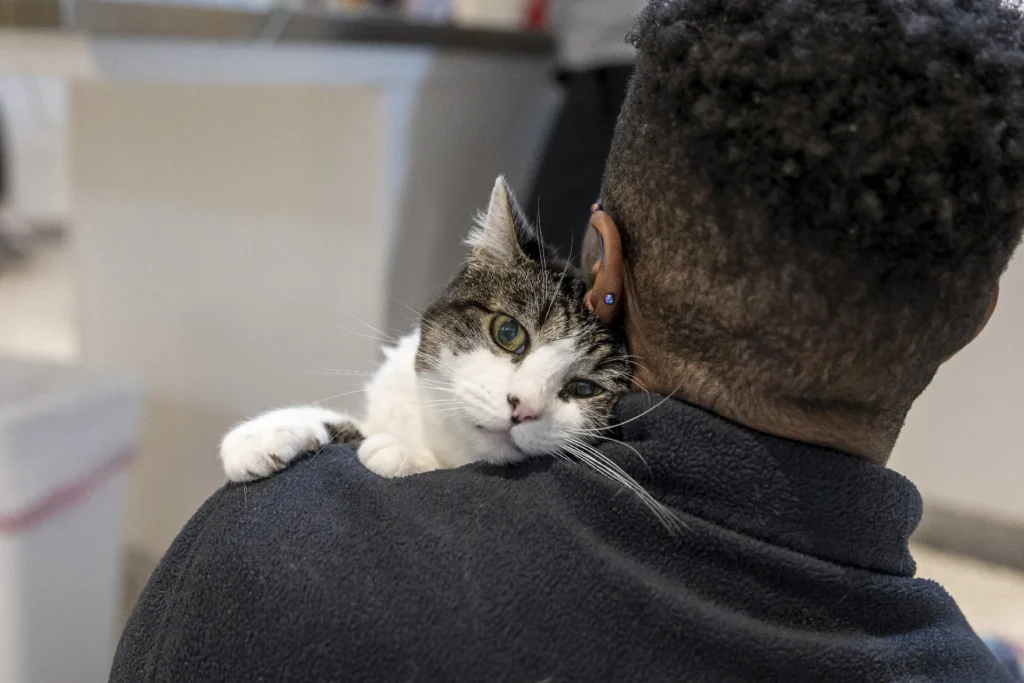
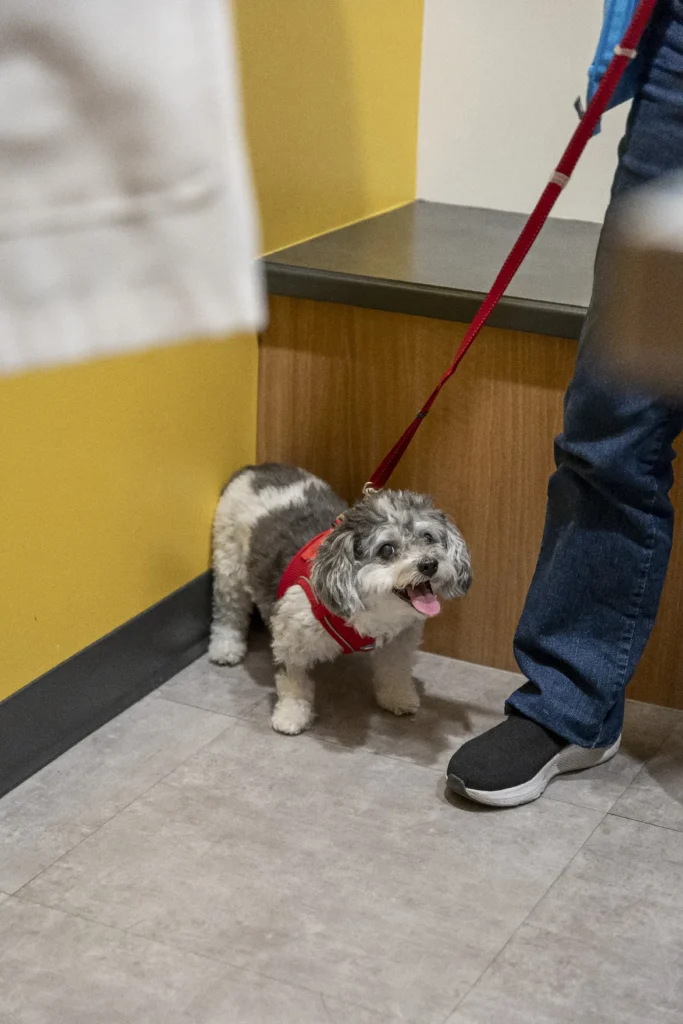
Why Pain Management Matters
Pain can affect nearly every part of your pet’s daily life.
It can make it harder for them to:
- walk, run, or jump
- eat and drink normally
- rest comfortably
- use the litter box or go outside easily
- interact with family the way they usually would
Pain can also lead to changes in behavior. Some pets become clingy. Others become quiet, irritable, or start hiding. When pain is managed well, many pets are able to rest, heal, and return to the activities they enjoy.
Signs of Pain
Signs of Pain in Dogs
Dogs often show pain through changes in movement, behavior, or tolerance for touch.
Common signs of pain in dogs include:
- limping
- difficulty standing up
- slowing down on walks
- not wanting to jump, climb stairs, or get on furniture
- excessive licking or chewing at one area
- trembling
- decreased appetite
- hiding or less social behavior
- crying out or reacting when touched
- restlessness or trouble getting comfortable
If your dog seems uncomfortable or is acting out of character, it is best to have them evaluated.
Signs of Pain in Cats
Cats are especially good at hiding pain, which can make it harder to notice when something is wrong.
Common signs of pain in cats include:
- hiding when they are usually social
- not jumping up to favorite spots
- moving less than usual
- changes in litter box habits
- decreased appetite or drinking less
- acting unusually quiet or irritable
- reacting when picked up or touched
- becoming more vocal than normal
When a cat’s behavior suddenly changes, pain is always something worth considering.
How We Diagnose Pain
Pain management starts with understanding why your pet is hurting.
At University Animal Clinic, this often begins with:
- a detailed conversation about what you have noticed at home
- a full physical examination
- checking joints, muscles, and range of motion
- diagnostic testing when needed
Depending on your pet’s symptoms, we may recommend X-rays, lab tests, or other diagnostic tests to help identify the source of pain and guide treatment.
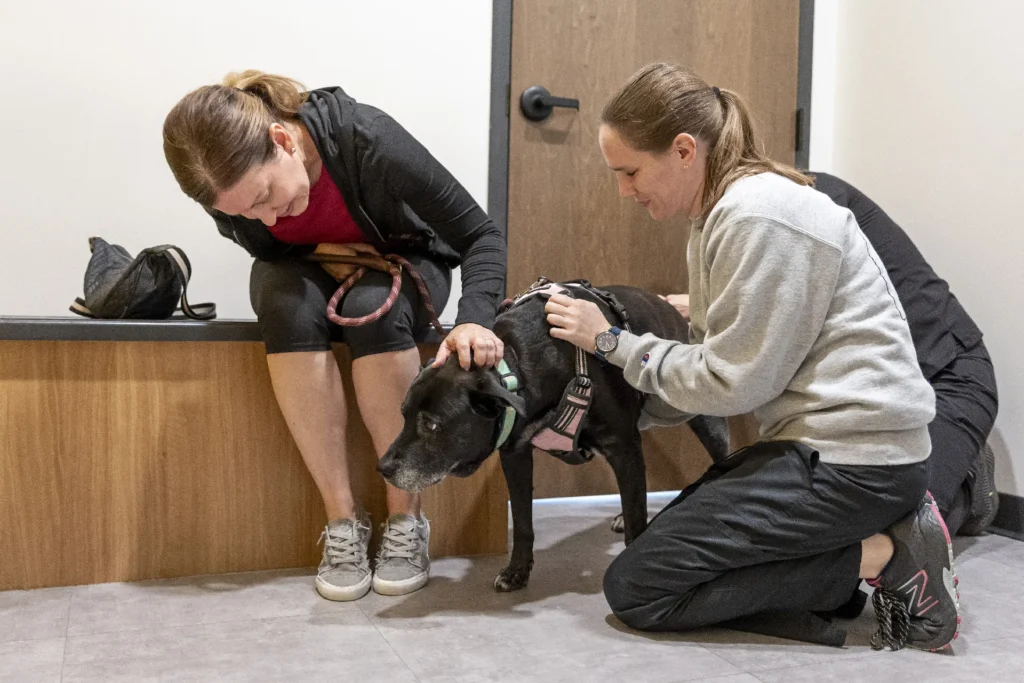
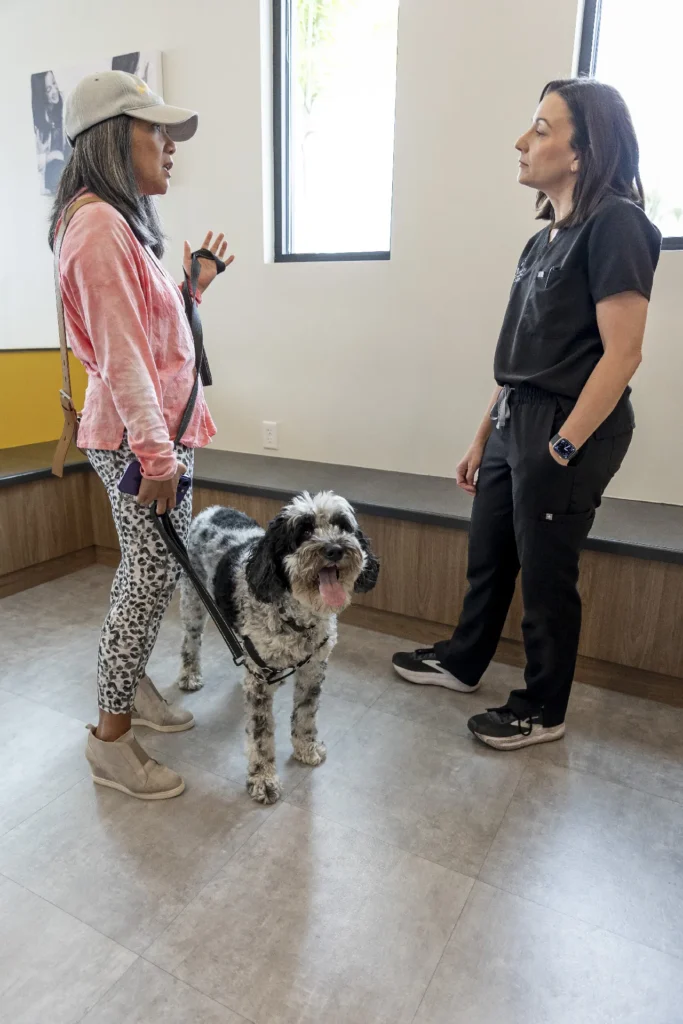
Pain Management Options
Pain management is not one-size-fits-all. The best plan depends on your pet’s age, condition, overall health, and the type of pain they are experiencing.
Treatment may include:
- anti-inflammatory medications
- other pain-relieving medications
- joint support recommendations
- rest and activity modification
- laser therapy
- a combination of several approaches
For many pets, especially those with chronic pain, a multi-modal plan works best. That simply means using more than one type of treatment to improve comfort and function.
Never Give Human Pain Treatments
It is very important not to give your pet human pain treatments unless your veterinarian specifically tells you to do so.
Medications like Tylenol, Advil, and similar products can be dangerous for pets and may cause serious problems involving the stomach, kidneys, or liver.
If you think your pet may be in pain, our team is here to help. At University Animal Clinic, we work with families throughout Lakewood Ranch, Sarasota, Bradenton, and the surrounding communities to identify the cause of discomfort and create thoughtful pain management plans that support healing and long-term comfort. Our goal is always the same: helping your dog or cat live an active, comfortable life filled with the moments they enjoy most.
Helping Pets Live More Comfortably
Pain can affect your pet’s movement, behavior, and overall quality of life. Our team works to identify the source of pain and create a treatment plan tailored to your pet’s needs. Schedule an evaluation to help your pet feel more comfortable.