
Care for Reptiles
Veterinary Care for Snakes, Lizards, Turtles, and Other Reptiles
Supporting the health and well-being of reptiles through specialized veterinary care and practical husbandry guidance.
Reptiles can make fascinating and rewarding pets, but they require very different care than dogs and cats. Their health depends heavily on proper temperature, lighting, nutrition, and habitat setup. Because of these unique needs, reptiles benefit from veterinary teams who understand reptile anatomy, behavior, and environmental requirements.
At University Animal Clinic, we provide veterinary care for a variety of reptiles, including small lizards, snakes, and tortoises. Our focus is on preventive care, early illness detection, and helping owners create a safe, healthy environment for their reptiles.
Whether you are a first-time reptile owner or have years of experience, our team is here to support both you and your pet.
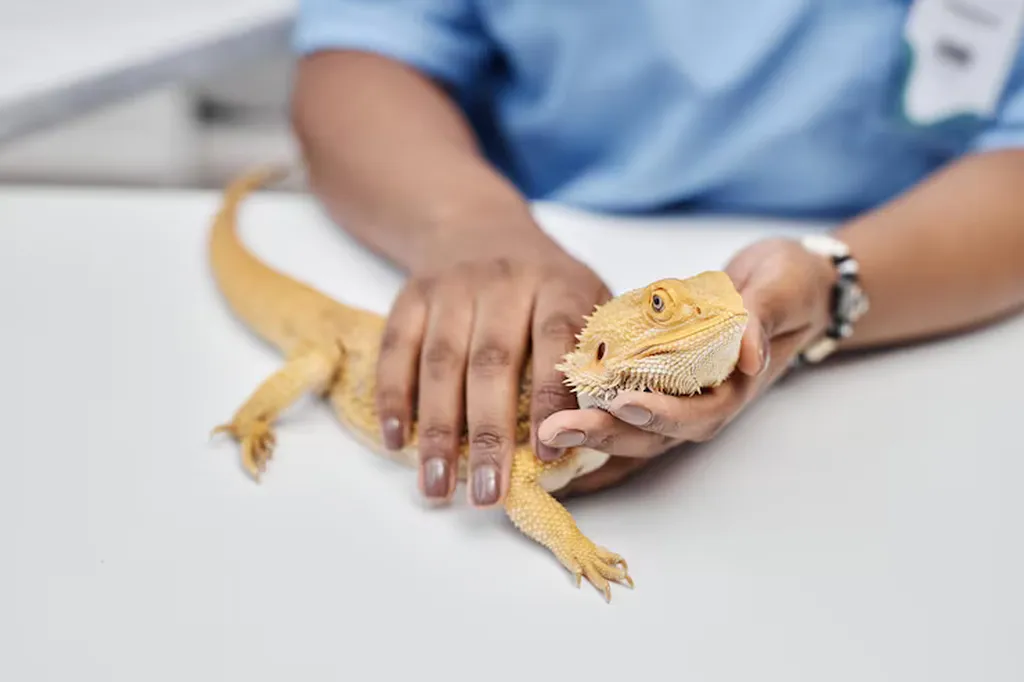
Reptile Video
A Reptile-Friendly Veterinary Environment
Reptiles are sensitive to changes in temperature, noise, and handling stress. At University Animal Clinic, we examine reptiles in our dedicated exotic animal exam area designed for small and exotic species.
This quieter space helps reduce stress during exams and procedures compared to traditional veterinary environments that may be busy with dogs and cats. Our team also takes extra care to maintain a calm handling approach so reptiles can be evaluated safely and comfortably.
Creating a species-appropriate environment allows us to better assess your reptile’s health while supporting their safety and well-being during their visit.
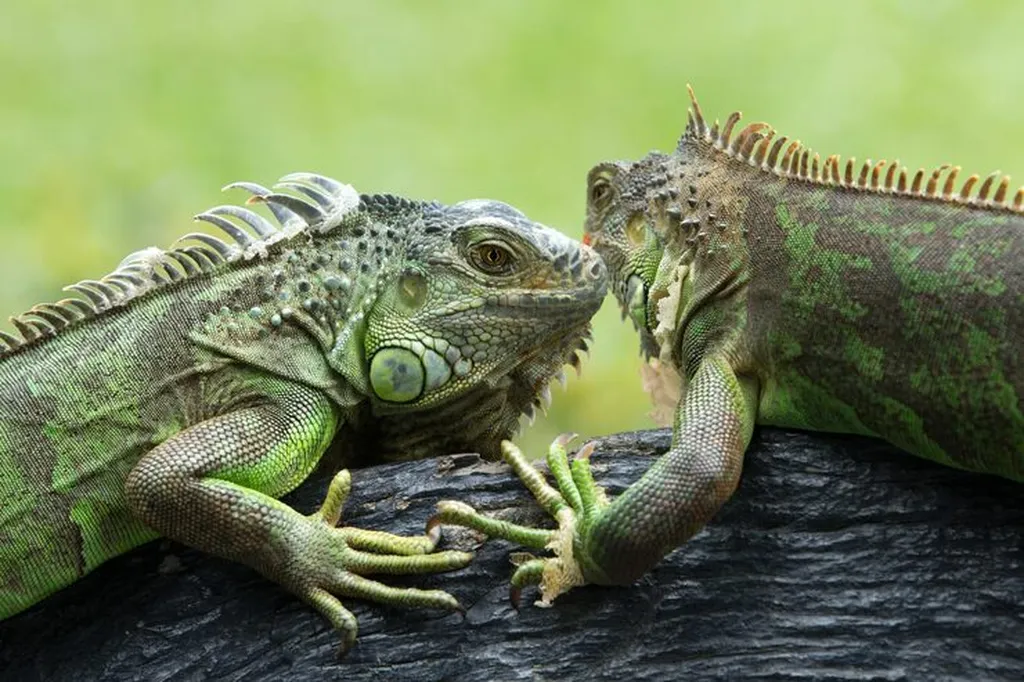
Reptiles We Commonly See
Our team cares for a variety of reptile species commonly kept as pets, including:
- Bearded dragons
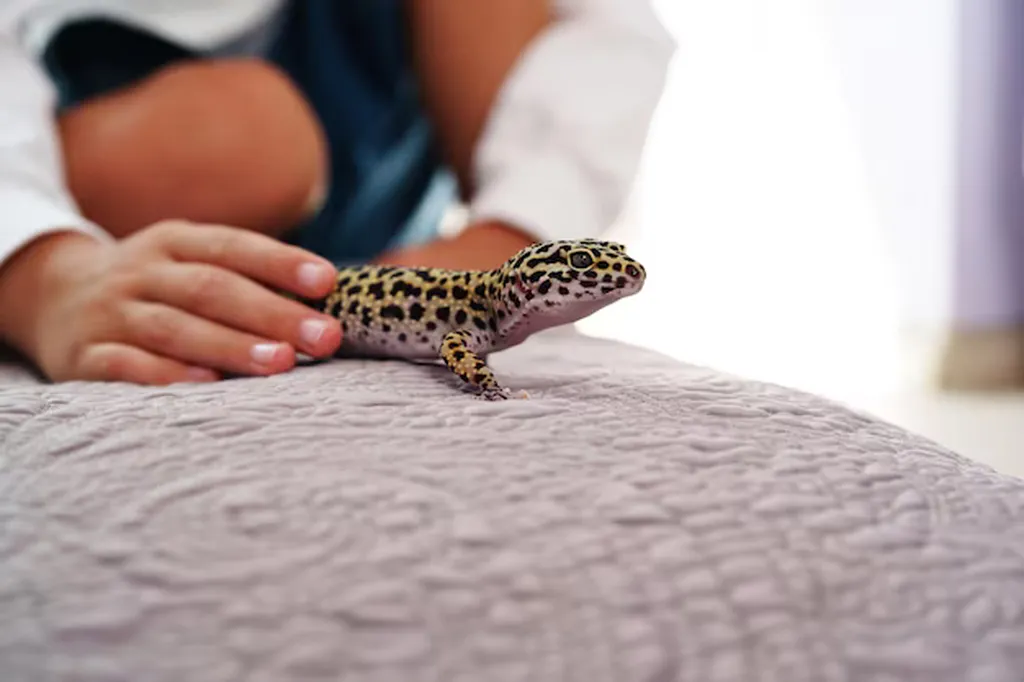
- Leopard geckos and other gecko species
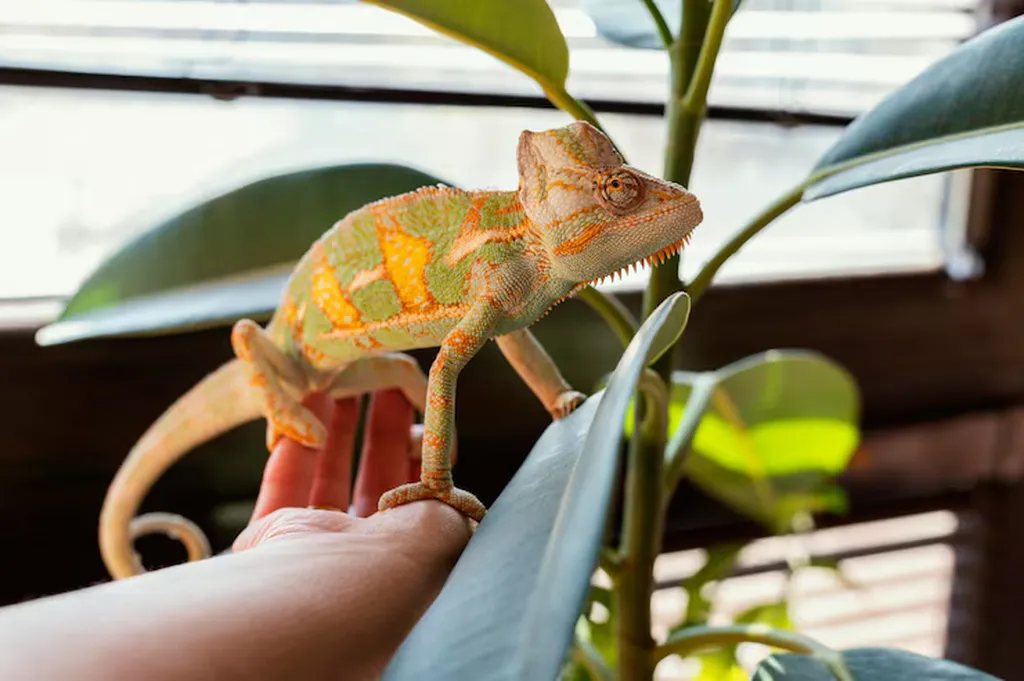
- Chameleons
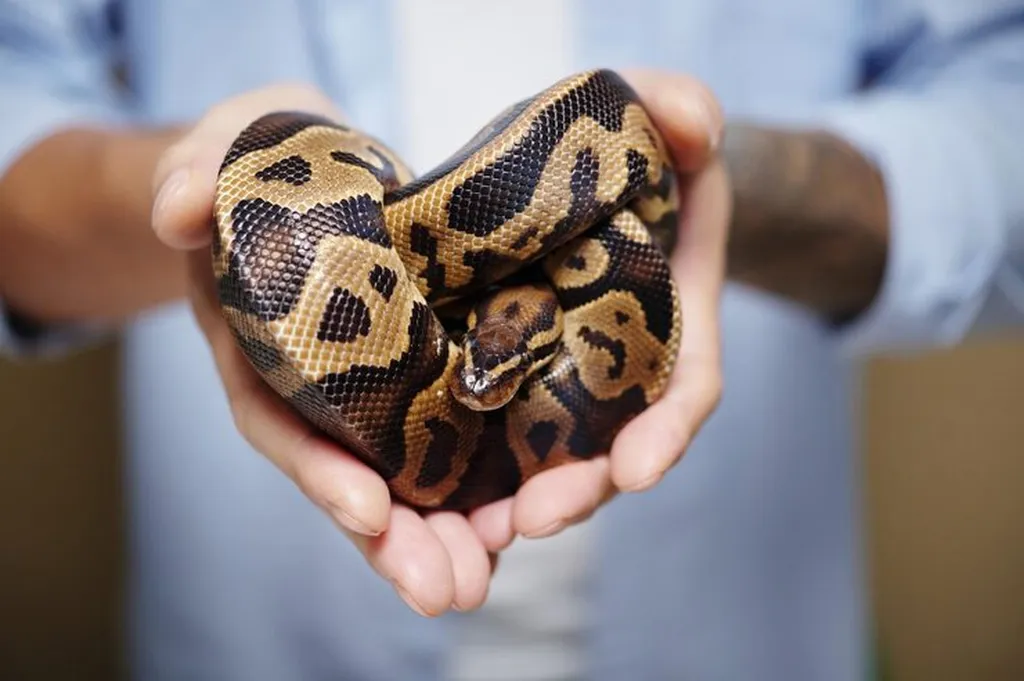
- Ball pythons and other snake species
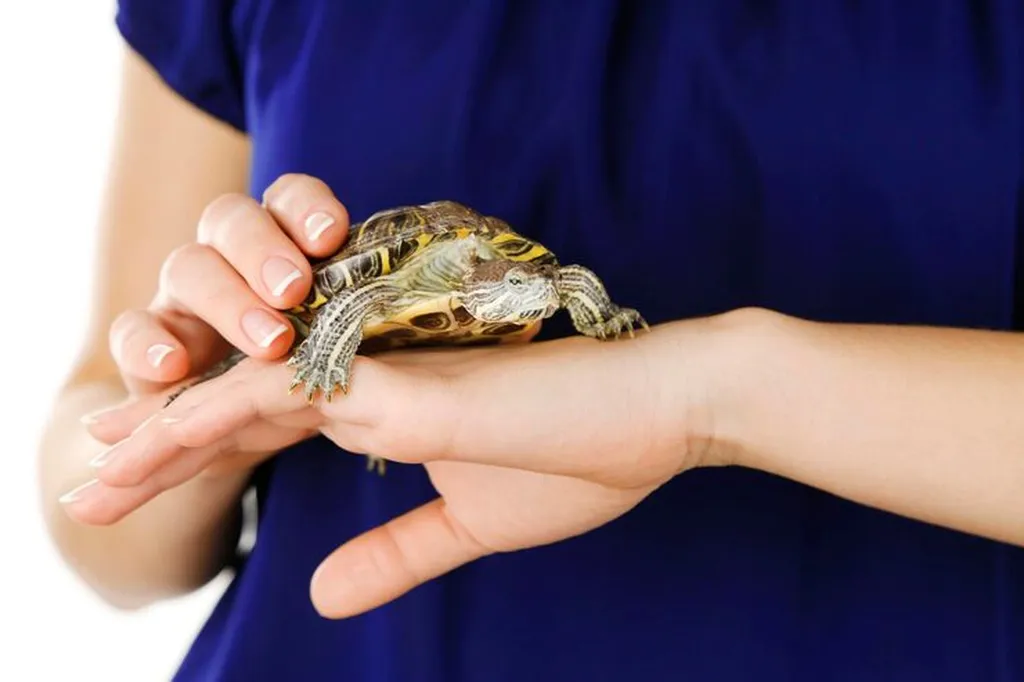
- Turtles and tortoises
- Skinks and iguanas
If you have questions about your reptile’s species or care requirements, our team is happy to help guide you.
Why Reptile Veterinary Care Is Important
Reptiles often hide signs of illness until a condition becomes advanced. Many health problems develop slowly and may not be obvious until your pet is quite sick. In fact, many reptile illnesses are linked to husbandry issues, including:
- Incorrect temperature gradients
- Inadequate UVB lighting
- Improper humidity levels
- Poor nutrition or supplementation
Regular veterinary visits allow us to identify potential problems early while also reviewing your reptile’s enclosure, diet, and daily care.
What Happens During a Reptile Appointment
During your reptile’s visit, we perform a full physical examination and discuss your pet’s environment, diet, and behavior. Your appointment may include:
- Evaluation of skin, scales, shell, and body condition
- Review of temperature, humidity, and lighting in the enclosure
- Discussion of feeding schedules and nutritional needs
- Husbandry guidance for habitat setup and enrichment
Because environment plays such a large role in reptile health, we often recommend bringing photos of your reptile’s enclosure so we can review your current setup together.
Common Health Problems in Reptiles
Reptiles can develop a range of medical conditions, many of which are related to diet or habitat conditions. Some of the most common issues we see include:
- Metabolic bone disease (MBD)
- Respiratory infections
- Parasites (internal or external)
- Skin infections or abnormal shedding
- Digestive issues such as impaction
- Injuries or shell abnormalities in turtles and tortoises
Because reptiles often hide illness, early veterinary care is important for successful treatment.
Reptile Veterinary Services at University Animal Clinic
Our clinic offers several services designed to support reptile health:
Wellness Exams & Preventive Care
Routine exams help detect health concerns early and allow us to evaluate your reptile’s environment, nutrition, and overall well-being.
Sick Visits & Medical Care
If your reptile shows signs of illness or behavior changes, our team will perform a thorough exam and discuss treatment options.
Diagnostic Testing
When needed, we may recommend diagnostics such as radiographs (X-rays), fine needle aspirates (FNAs), or laboratory testing to better understand your reptile’s condition.
In-House & Specialized Lab Testing
We offer in-clinic diagnostics with access to specialized exotic animal laboratories when additional testing is required.
Signs Your Reptile Should See a Veterinarian
Contact our team if you notice any of the following changes:
- Decreased appetite or refusal to eat
- Lethargy or unusual hiding behavior
- Abnormal shedding or retained shed
- Wheezing, clicking, or open-mouth breathing
- Changes in stool or urination
- Swelling, wounds, or shell abnormalities
Because reptiles often worsen before showing symptoms, prompt evaluation is important.
Helping Your Reptile Thrive
Caring for reptiles can feel overwhelming, especially for new owners. Much of reptile health depends on proper husbandry, nutrition, and habitat management.
At University Animal Clinic, we focus on education and practical guidance so reptile owners throughout the Lakewood Ranch, Sarasota, Bradenton, and surrounding areas feel confident in their pet’s daily care. Our team is here to help you navigate everything from enclosure setup and lighting to diet and behavioral changes.
Whether your reptile companion needs a wellness exam or evaluation for a health concern, we are here to help support their long-term health and well-being.
Knowledgeable Care for Reptile Companions
Reptiles have very specific environmental, nutritional, and medical needs. Our team provides experienced reptile care, from wellness visits to diagnostics and treatment. Schedule an appointment today to support your reptile’s long-term health.