
Reptiles
Reptiles
What You Need to Know About Your Pet Reptile
Reptiles can be one of the most interesting and rewarding pets to take care of. But, it’s important to remember they’re incredibly different than a cat or dog. When learning how to care for reptiles, you’ll discover many unique care techniques and requirements that will give your reptile a healthy and comfortable life at your home.
Keep reading to learn more about basic care routines, including the most common health issues for reptiles and what to do about them.
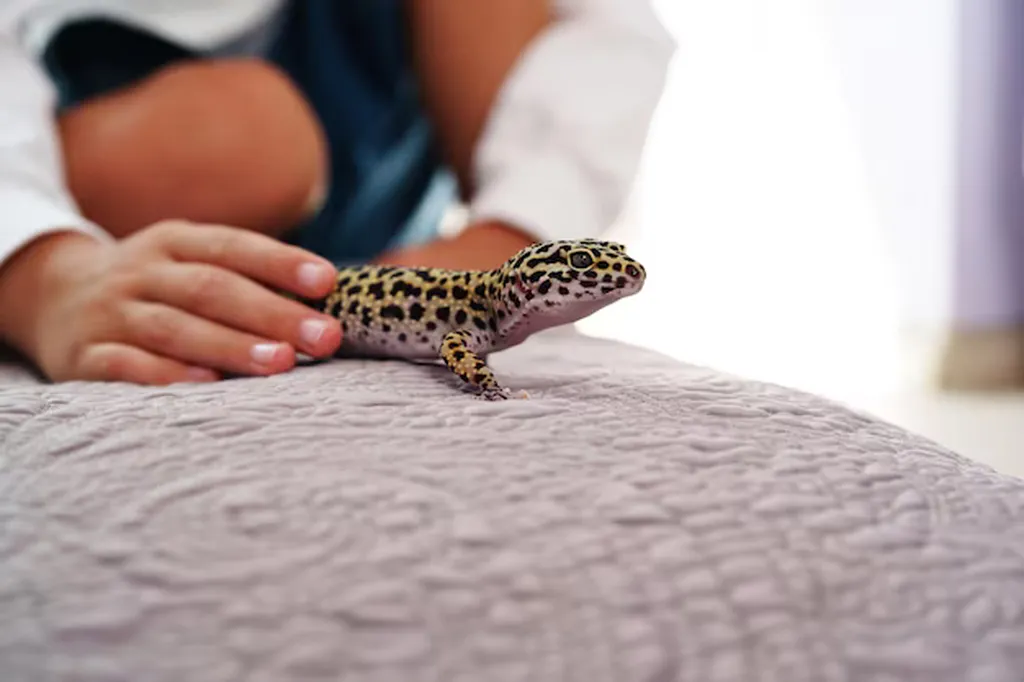
How to Care For A Pet Reptile
Below are the most basic and important factors to consider when caring for your pet reptile:
- Daytime Heat Sources and Lights: To help with body temperature regulation, reptiles need a hot and cool side of their living space.
- Nighttime Lights and Heat Sources: You can put infrared or ultraviolet lamps on the cool side of the tank.
- Hides and Bedding: Incorporating little dwellings where your reptile can go to escape the heat or rest and providing a proper bed — made of newspaper or tile — will make your pet reptile feel right at home.
- Food and Water Bowls: Keeping the right of amount of food — most likely insects — and water available to your reptile is key to their health and well-being.
MOST COMMON Health Issues For Reptiles
If you can recognize signs of the most common health issues for replies, you’ll be ahead of the game when it comes to diagnosis and treatment. Here are some things to look for:
- Cloacitis: If you notice swelling around your reptile’s vents, they may have this common health issue for reptiles. A balanced and healthy diet, as well as a visit to your veterinarian for a prescription medication, can help your pet’s health improve.
- Mouth Rot: Mouth sores and infected tissues can develop due to poor diet and temperature regulation. Keeping your reptile’s tank clean and humidity-monitored is the key to preventing this disease.
- Amebiasis: This disease spreads through feces. Cleaning up daily after your reptile can help your pet avoid getting infected.
- Metabolic Bone Disease: Due to a calcium digestion deficiency, some reptiles may suffer from deformities like bowed legs and soft shells. To help with calcium digestion feed your pet a high calcium and vitamin D diet.
Reptiles