
Heart Disease
Heart Disease in Dogs and Cats
Advanced Diagnostics for Lifelong Heart Health
Heart disease can sound frightening, but many pets with heart conditions live comfortable, happy lives with the right monitoring and care.
At University Animal Clinic, we focus on identifying heart conditions as early as possible so we can monitor changes and begin treatment when it is truly beneficial. Many heart conditions develop gradually, and early evaluation allows our veterinary team to better understand how your pet’s heart is functioning.
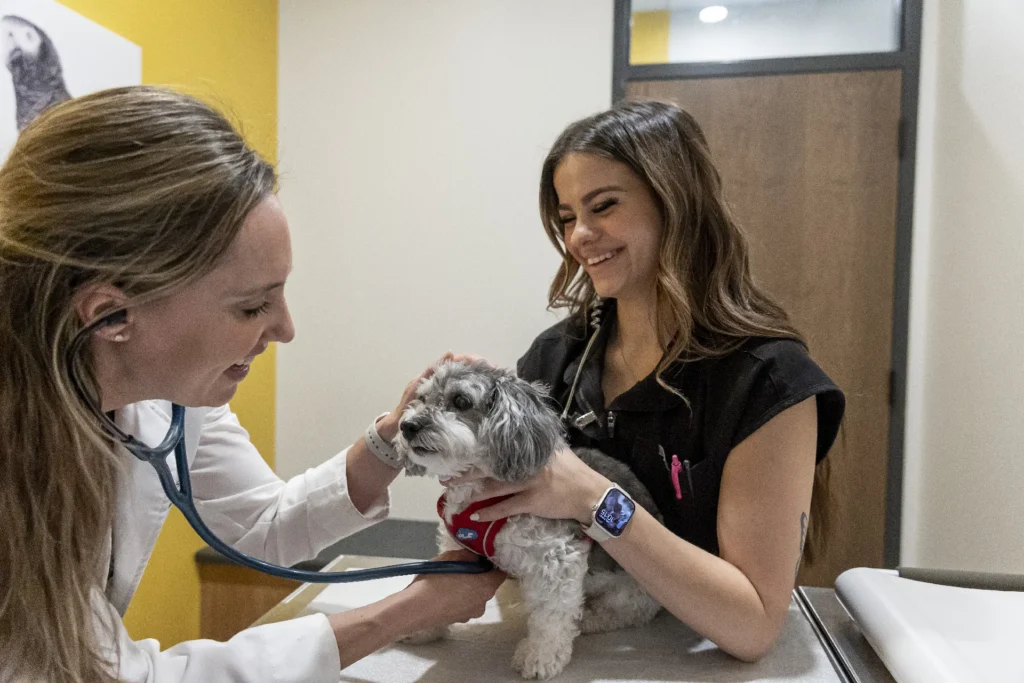
Our veterinary hospital offers advanced diagnostic tools, including in-house echocardiograms, allowing us to evaluate heart structure and function. We also work closely with Board-Certified Veterinary Cardiologists. The ultrasound images of your pet’s heart are carefully recorded and sent to a cardiologist for detailed evaluation and measurement. They review the images, assess the heart’s structure and function, and help determine the stage of heart disease so we can develop the most appropriate treatment plan.
What Is an Echocardiogram?
An echocardiogram, often called an “echo,” is an ultrasound of the heart. Using sound waves, this test creates a moving image of the heart as it beats. This allows veterinarians to evaluate the heart’s function in real time.
An echocardiogram helps us examine:
- heart valves
- heart chambers
- thickness of the heart muscle
- blood flow through the heart
- overall heart function
Because the test shows the heart in motion, it provides much more detailed information than other imaging methods.
How Echocardiograms Help Diagnose Heart Disease
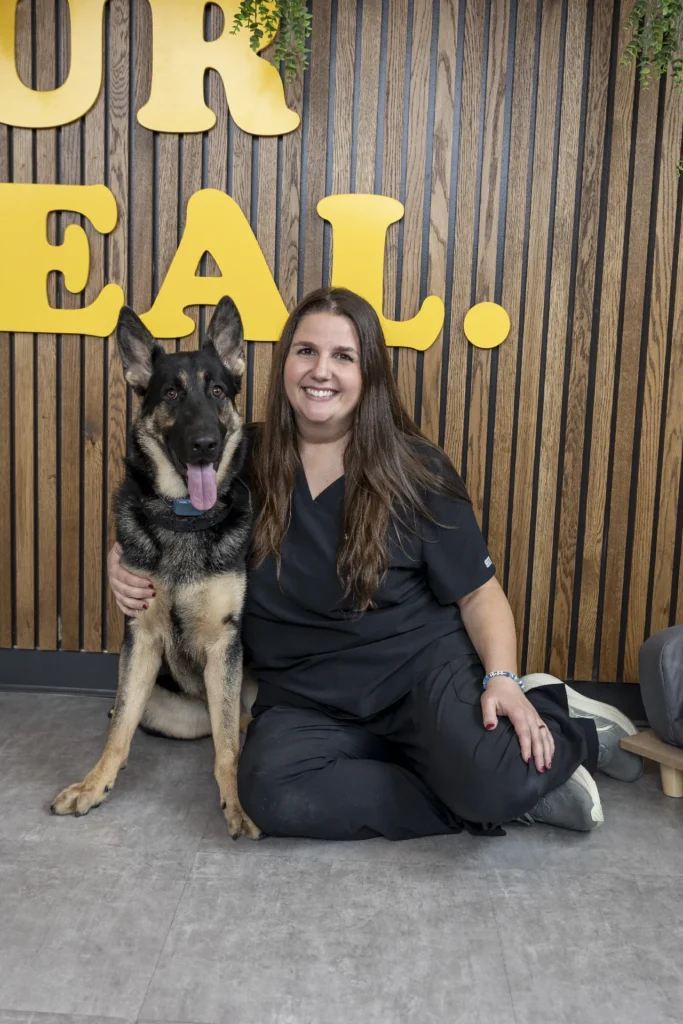
Heart disease in pets is often first suspected during a routine physical exam when a veterinarian hears a heart murmur. Many pets with early heart disease show no symptoms at all. Identifying the condition early allows us to monitor the heart and determine whether treatment is needed.
An echocardiogram helps us:
- measure the size of the heart chambers
- evaluate the heart valves
- determine whether the heart muscle is thickened
- identify abnormal blood flow
- assess the severity of heart disease
These findings allow veterinarians to grade heart disease, helping determine whether monitoring or treatment is recommended.
How Echocardiograms Are Reviewed
At University Animal Clinic, we can perform echocardiograms right here in our hospital.
The ultrasound images of your pet’s heart are carefully recorded and then sent to a Board-Certified Veterinary Cardiologist for detailed evaluation and measurement. The cardiologist reviews the images, assesses the heart’s structure and function, and helps determine the stage of heart disease.
This collaborative approach allows us to combine local care with specialized expertise, helping ensure your pet receives the most accurate diagnosis possible.
If more advanced care is needed, we may recommend referral to a cardiology specialist for additional treatment.
Echocardiogram vs. X-Ray
Both X-rays and echocardiograms are helpful tools, but they show different things.
Together, these tests help veterinarians build a clearer understanding of your pet’s heart health.
X-rays allow veterinarians to evaluate:
- overall heart size
- lung health
- fluid buildup in the chest
- heart position within the chest
An echocardiogram provides more detailed information about the heart itself, including:
- valve function
- chamber size
- heart muscle thickness
- blood flow patterns
Heart Disease in Dogs and Heart Disease in Cats
Heart Disease in Dogs
Dogs commonly develop heart disease related to valve changes or weakening of the heart muscle. In the early stages, dogs may not show any signs at home.
As the condition progresses, symptoms may include:
- coughing
- fatigue or reduced exercise tolerance
- difficulty breathing
- decreased appetite
- abdominal swelling
Early monitoring helps us determine when medication should start and how best to support your dog’s heart health.
Heart Disease in Cats
Heart disease in cats often affects the heart muscle itself, making it thicker and less able to pump efficiently. Cats can be especially challenging to diagnose because they often hide symptoms.
Some cats may show signs such as:
- rapid or labored breathing
- decreased activity
- poor appetite
- sudden weakness
Echocardiography is particularly valuable in cats because it allows veterinarians to identify structural changes in the heart that cannot be seen on standard imaging.
In some cases, echocardiograms may also help identify blood clots forming inside the heart, which can lead to serious complications if they travel through the bloodstream.
Does an Echocardiogram Require Sedation?
Most pets tolerate an echocardiogram very well. Because the procedure is painless and noninvasive, sedation is usually not required. Some pets may receive a mild calming medication before the visit if they are particularly anxious.
For some pets with long or thick hair coats, a small patch of hair may need to be trimmed to allow the ultrasound probe to make good contact with the skin.
Why Early Detection Matters
Many heart conditions develop slowly and may not cause noticeable symptoms in the early stages.
Monitoring the heart with tools like echocardiography allows veterinarians to:
- identify heart disease earlier
- track changes over time
- determine when medication may help
- support longer, healthier lives for pets
In many cases, starting treatment at the appropriate time can significantly extend both lifespan and quality of life.
Compassionate Cardiac Care
At University Animal Clinic, we understand that hearing your pet may have heart disease can be stressful. Our team is here to guide you through the diagnostic process, answer your questions, and help you understand what the results mean for your pet.
With modern diagnostic tools and collaboration with veterinary cardiologists, we can provide thoughtful, informed care for pets with heart conditions throughout Sarasota, Lakewood Ranch, and surrounding communities.
Supporting Your Pet’s Heart Health
With early detection and proper monitoring, many pets with heart disease can live long, comfortable lives. Our advanced diagnostics allow us to monitor heart health and begin treatment at the right time. Schedule a heart health evaluation today.