
Puppy and Kitten Care
Puppy and Kitten Care
Helping your new pet grow into a healthy, confident adult through early exams, vaccinations, and first-year guidance.
Bringing home a new puppy or kitten is exciting, and those first veterinary visits play an important role in helping them grow into healthy adult pets. During the first year of life, pets go through rapid physical and behavioral development. Regular veterinary visits allow our team to monitor their growth, provide important vaccinations, and help guide you through the early stages of pet ownership.
At University Animal Clinic, we work closely with pet families throughout Sarasota, Lakewood Ranch, Bradenton, and surrounding communities to ensure puppies and kittens receive the care they need during this important stage of life.
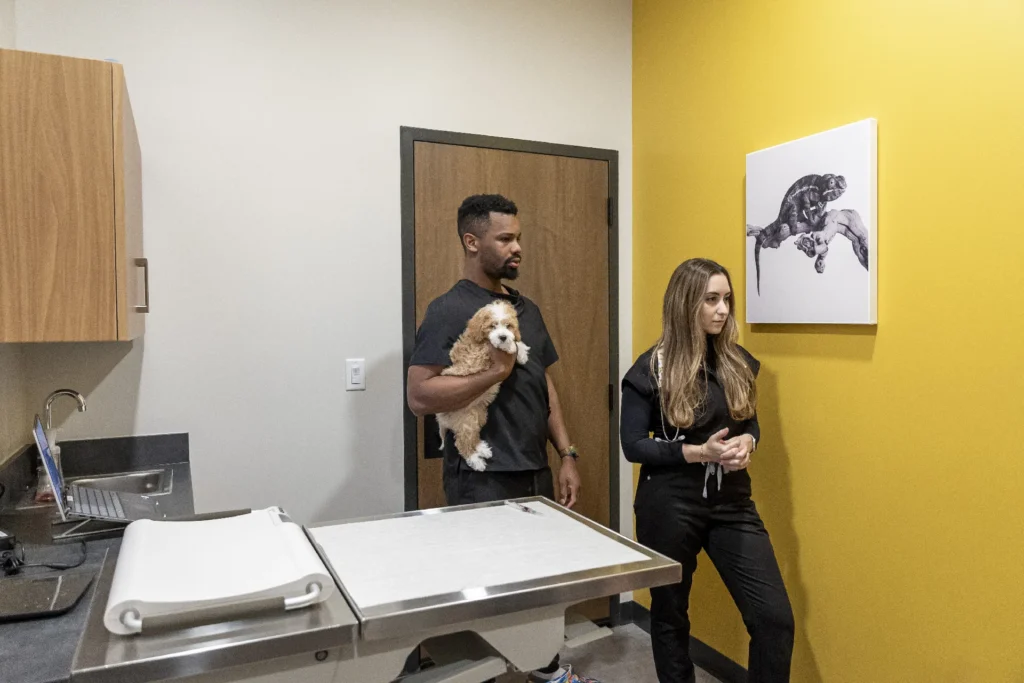
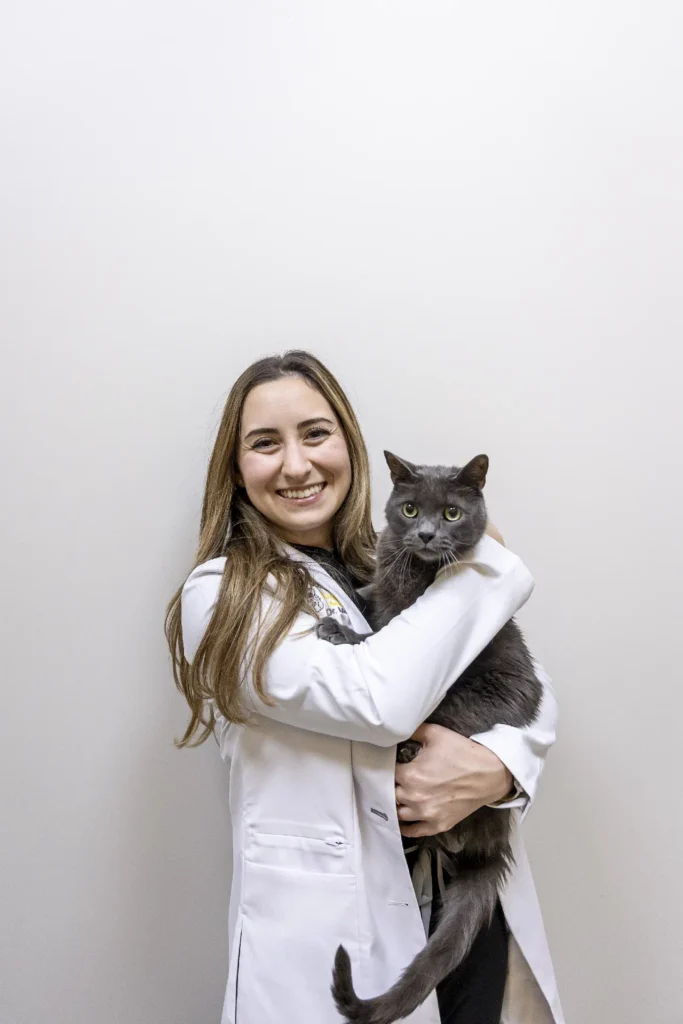
What to Expect During Early Visits
Puppies and kittens typically visit the veterinarian several times during their first few months. These visits allow us to gradually build protection against disease while also making sure your pet is developing normally.
During these early appointments, we may discuss:
- recommended vaccination schedules
- parasite testing and prevention
- nutrition and feeding guidance
- behavior and socialization
- microchipping and identification
- spay and neuter timing
These visits also help young pets become comfortable with our animal hospital, which can make future appointments calmer and easier.
Vaccinations and Preventive Care
Young pets receive a series of vaccinations during their first few months of life to protect them from serious diseases. Because puppies and kittens are still developing their immune systems, vaccines are given in stages to provide the best protection.
Your veterinarian will recommend a vaccination and preventive care schedule based on your pet’s age, lifestyle, and risk factors.
For a detailed look at vaccination schedules and life-stage wellness care, visit our Preventive and Wellness Care page.
Supporting Healthy Growth
Puppy and kitten visits are about more than vaccines. They give us the opportunity to answer questions and help you navigate common early-life concerns, including:
- teething
- litter box or house training
- scratching or chewing behaviors
- nutrition and growth
- parasite prevention
Our goal is to support both your pet and your family during this exciting stage.
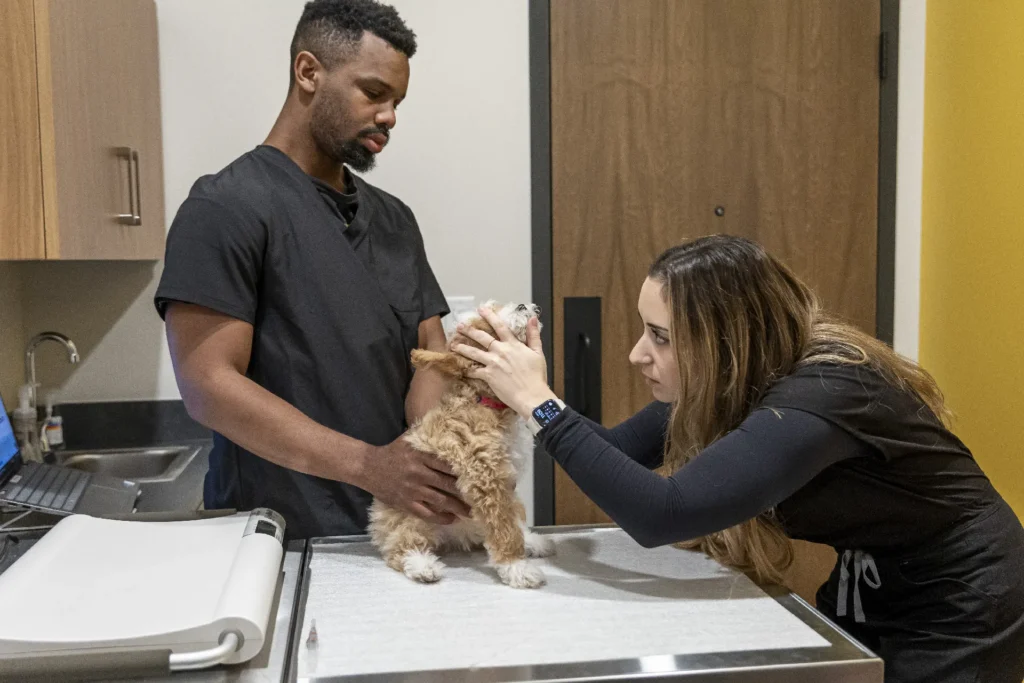
Early Training and Behavior Tips for Puppies and Kittens
The first few months of life are when young pets learn how to interact with their world. Puppies and kittens are naturally curious, and a little guidance early on can help them develop into confident, well-adjusted adult pets.
Teething in Puppies and Kittens
Just like babies, puppies, and kittens go through a teething phase as their adult teeth come in. During this time, chewing and biting are completely normal behaviors.
For puppies, offering appropriate chew toys can help redirect their attention away from furniture or shoes. Toys that make noise, soft chew toys, or items designed for teething can help keep them engaged. Some pet owners also find that cold items, like a damp cloth briefly placed in the freezer or freezer-safe chew toys, can help soothe sore gums.
Kittens may chew less aggressively than puppies, but they may still chew on objects as their teeth come in. Providing safe toys designed for kittens helps encourage appropriate play and prevents them from chewing on household items.
Potty Training Puppies and Litter Training Kittens
Consistency is one of the most important parts of training young pets.
For puppies, taking them outside frequently and using the same door and the same cue phrase each time (such as “go potty”) helps them understand what is expected. Many families also find that crate training helps with house training, since most puppies naturally avoid having accidents where they sleep.
For kittens, litter box habits usually develop quickly. Providing a clean, accessible litter box in a quiet area helps encourage good habits. Some kittens may prefer certain litter types or box styles, so a little experimentation may help you find what works best.
Positive Reinforcement Training
Modern training techniques focus on positive reinforcement. This means rewarding the behaviors you want to see more often rather than punishing unwanted ones.
For example:
- Praise or reward your puppy when they sit, stay, or follow a command
- Offer treats or affection when your kitten uses their scratching post instead of furniture
- Redirect pets away from unwanted behaviors and reward the correct behavior instead
- Over time, pets learn that positive actions lead to rewards and attention.
Early Socialization
Introducing puppies and kittens to new experiences early in life helps them grow into confident adult pets.
For puppies, early training classes and safe socialization opportunities can help them learn how to interact with people and other dogs. It’s important that these environments require up-to-date vaccines for participating pets to help keep young puppies safe.
Kittens also benefit from gentle socialization with people, handling, and exposure to normal household sounds.
Growing Together
Those early veterinary visits lay the foundation for a lifetime of health. By building a relationship with your pet early on, we can better support their well-being as they grow into adulthood.
If you’ve recently welcomed a puppy or kitten into your home, our team would love to help guide you through their first year of care. We proudly support pet families throughout Lakewood Ranch, Sarasota, Bradenton, and the surrounding communities as their pets grow and thrive.
Start Their Life with the Right Care
The first year of life is an important time for growth, development, and disease prevention. We are here to guide you through vaccinations, nutrition, behavior, and early health care. Schedule your puppy or kitten’s first visit today.