
Care for Small Mammals (Pocket Pets)
Veterinary Care for Rabbits, Guinea Pigs, Ferrets & Other Small Mammals
Supporting the health, behavior, and well-being of small companion mammals through specialized veterinary care and owner education.
Small mammals, often called pocket pets, have unique anatomy, nutrition, and environmental needs that differ greatly from dogs and cats. Because many of these animals are prey species, they are naturally skilled at hiding signs of illness, which means health concerns can progress quickly without veterinary evaluation.
At University Animal Clinic, we provide veterinary care for a wide range of small mammals, including rabbits, guinea pigs, ferrets, and other pocket pets. Our approach focuses on preventive care, early illness detection, and practical husbandry guidance so owners feel confident supporting their pet’s health at home.
Whether you share your home with a curious ferret, a vocal guinea pig, or a gentle house rabbit, our team is here to support both you and your small companion.
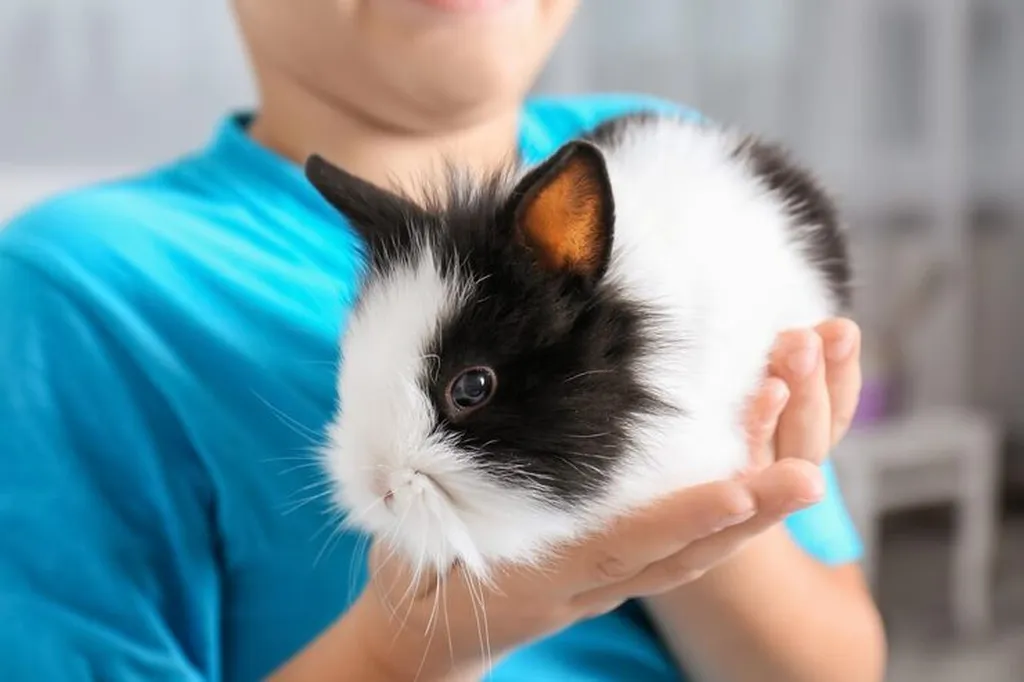
A Small Mammal–Friendly Veterinary Environment
Small mammals are especially sensitive to noise, unfamiliar environments, and handling stress. For this reason, University Animal Clinic includes a dedicated exotic animal exam area designed for birds, reptiles, and small mammals.
This quieter, lower-stress space allows our team to examine pocket pets in an environment calmer than traditional veterinary areas, where barking dogs and busy activity may be present.
Creating a species-appropriate environment helps small mammals feel more secure during exams and procedures while allowing our veterinary team to evaluate them more safely and accurately.
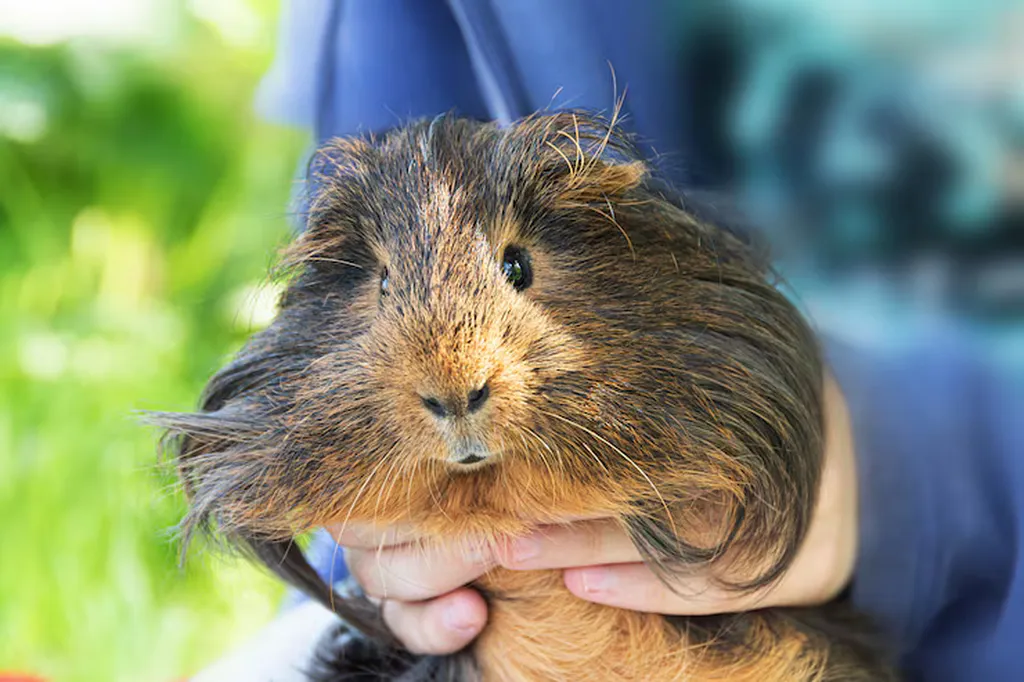
Small Mammals We Commonly See
Our team regularly cares for a variety of pocket pets, including:
- Rabbits
- Guinea pigs (cavies)
- Ferrets
- Hamsters
- Gerbils
- Mice and rats
Each species has its own dietary, environmental, and behavioral needs, and we tailor our recommendations based on your pet’s species, age, and lifestyle.
Why Veterinary Care Is Important for Pocket Pets
Many small mammals instinctively hide signs of illness. By the time symptoms become obvious, the disease may already be advanced. Regular veterinary visits allow us to monitor subtle changes that may indicate developing health concerns, including:
- Weight changes
- Appetite or hydration changes
- Dental health
- Skin and coat condition
- Behavior or activity levels
Regular exams also allow us to review your pet’s diet, enclosure setup, and daily care, which play a major role in preventing illness.
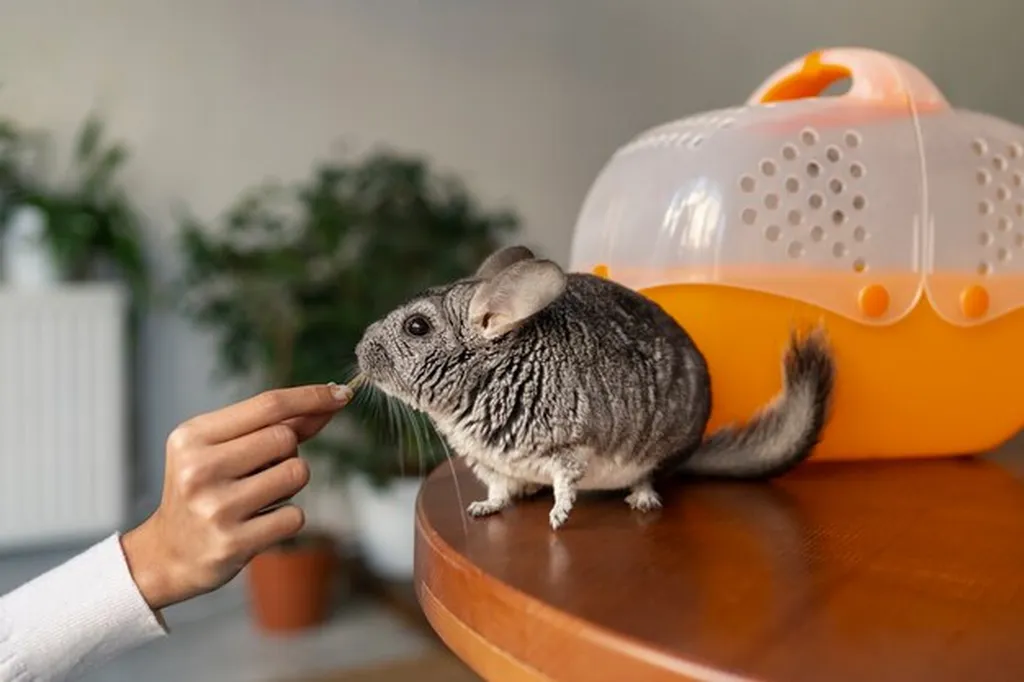
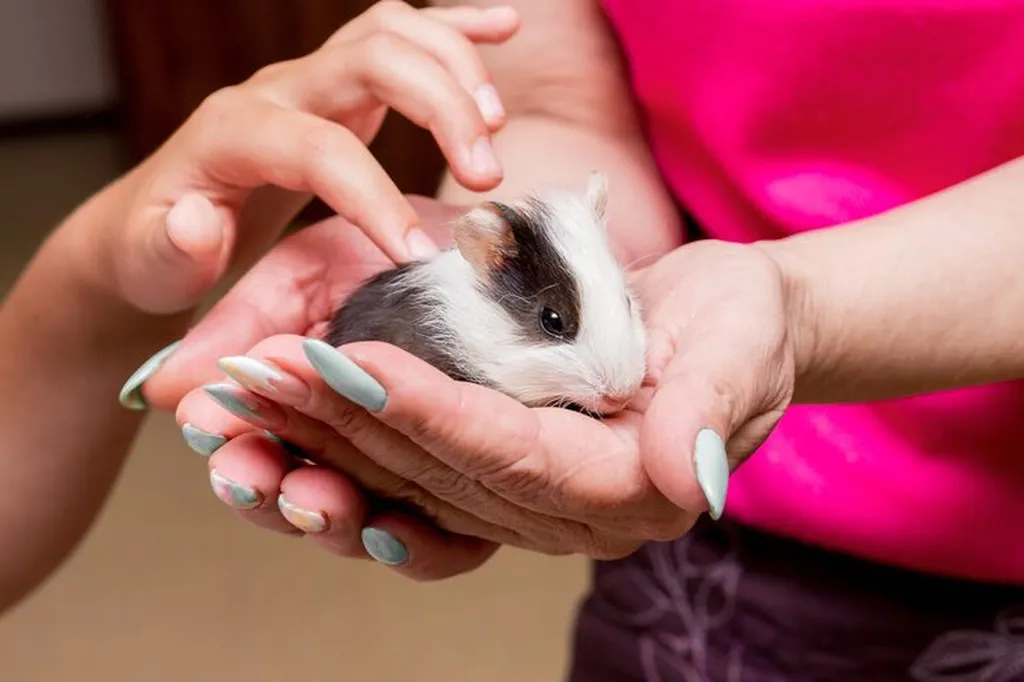
What Happens During a Small Mammal Appointment
During your pet’s visit, we begin with a full physical examination and weight check. Monitoring weight is especially important in pocket pets because even small changes can signal underlying health concerns.
Depending on your pet’s needs, we may also:
- Evaluate teeth and oral health
- Check skin, fur, and body condition
- Discuss diet and nutrition
- Review enclosure setup and enrichment
- Perform nail trims or other grooming when needed
These visits also provide caregivers with an opportunity to ask questions about behavior, diet, housing, or socialization.
Common Health Concerns in Small Mammals
Pocket pets can develop a variety of health issues, often related to diet, dental health, or environmental factors.
Because small mammals often hide illness, early veterinary evaluation is important. Prompt evaluation can make a significant difference in treatment success.
Some commonly seen conditions include:
- Dental disease or overgrown teeth
- Digestive problems such as GI stasis
- Parasites or skin infections
- Respiratory infections
- Nutritional deficiencies
- Injuries or wounds
Contact our team if you notice signs such as:
- Reduced appetite or weight loss
- Lethargy or hiding
- Difficulty breathing
- Changes in stool or urine
- Hair loss or skin irritation
- Difficulty chewing or drooling
Small Mammal Veterinary Services at University Animal Clinic
Our clinic offers a variety of services designed to support the health of pocket pets, including:
- Wellness exams and preventive care
- Sick visits and illness evaluation
- Nail trims and grooming when needed
- Diagnostic testing and imaging
- Fecal testing and parasite screening
- Nutrition and husbandry consultations
Each visit is tailored to the specific needs of your pet’s species and environment.
Supporting Your Pocket Pet's Daily Health
Small mammal health is closely connected to diet, housing, and enrichment.
Proper Housing
Pocket pets need secure enclosures with appropriate flooring, hiding areas, and space for natural movement and exploration.
Balanced Nutrition
Each species requires a carefully balanced diet. Rabbits and guinea pigs depend on high-fiber hay and fresh vegetables, while ferrets require high-protein diets designed for carnivores.
Enrichment and Activity
Small mammals benefit from daily opportunities to explore, chew, forage, and interact with their environment. Providing toys, tunnels, and safe chew items helps prevent boredom and stress.
Helping Your Small Mammal Thrive
Pocket pets can be incredibly rewarding companions, but their care requires attention to diet, environment, and routine veterinary visits. At University Animal Clinic, we are committed to helping small mammal owners in Lakewood Ranch, Sarasota, Bradenton, and the surrounding communities understand their pets’ unique needs and provide the care they deserve.
Whether your rabbit needs a wellness exam, your guinea pig requires dental evaluation, or your ferret isn’t acting like themselves, our team is here to support your pet’s health and wellbeing.
Gentle Care for Small, Special Pets
Pocket pets may be small, but their health needs are important and often very specialized. Our team provides knowledgeable care for small mammals in a calm, low-stress environment. Schedule a visit today so we can help your small companion stay healthy and comfortable.