
Microchipping
Microchipping for Dogs and Cats
Permanent Identification That Helps Lost Pets Find Their Way Home
Even the most careful pet families experience the fear of a missing pet. A door left open, a broken fence, or a frightened pet during a storm can allow dogs or cats to wander farther than expected.
Microchipping provides a permanent form of identification that stays with your pet for life. Unlike collars or tags, which can fall off or be removed, a microchip is placed just under the skin and cannot be lost.
At University Animal Clinic, we strongly recommend microchipping for both dogs and cats because it significantly increases the chances of being reunited with a lost pet.
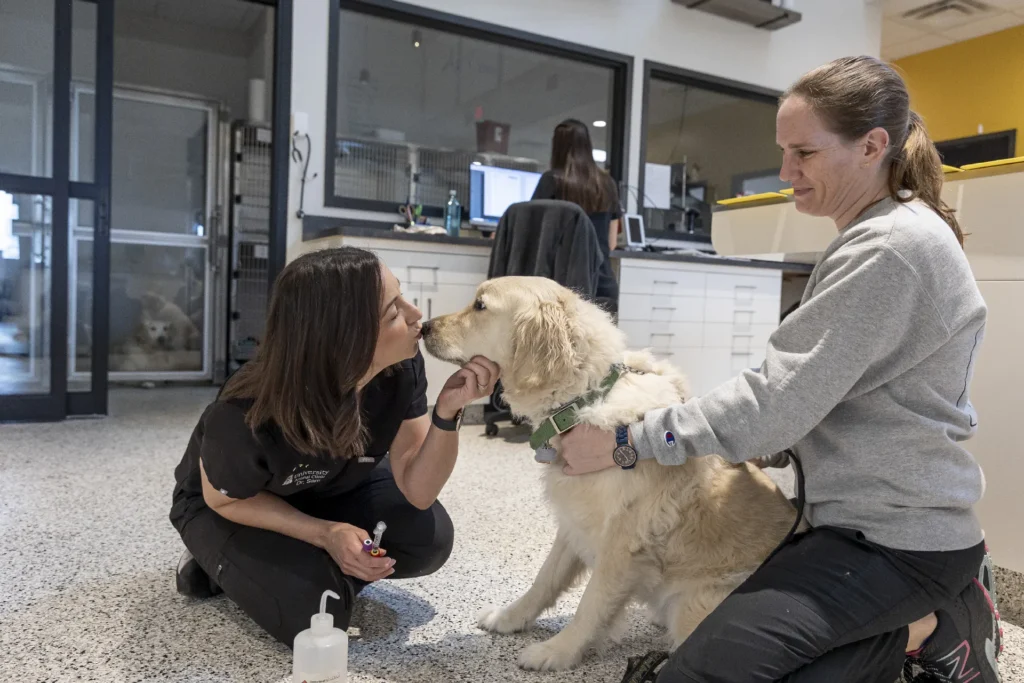
What Is a Microchip?
A microchip is a very small device, about the size of a grain of rice, that is placed just beneath the skin between your pet’s shoulder blades.
Each microchip contains a unique identification number. When a scanner is passed over the area, the chip transmits this number so the pet’s information can be located in a secure database.
Your contact information is linked to that number, allowing shelters or veterinary hospitals to contact you if your pet is found.
Why Microchipping Is So Important
Collars and ID tags are helpful, but they can fall off or be removed. This is especially common in cats that wear breakaway collars designed for safety.
A microchip provides permanent identification for your pet.
In large-scale emergencies, microchips have also helped reunite pets and families. After Hurricane Katrina, thousands of lost pets were able to find their way home because they had been microchipped.
Microchipping is one of the most reliable ways to ensure your pet always has identification.
Microchipping for Dogs
Dogs are naturally curious and may wander farther from home than expected. Even well-trained dogs can become lost if they become frightened or disoriented.
Microchipping provides peace of mind by giving your dog permanent identification that cannot fall off during travel, walks, or play.
Many families choose to microchip their dog during spay or neuter surgery, when pets are already under anesthesia.
Microchipping for Cats
Cats are particularly good candidates for microchipping because collars are often removed or lost.
Even indoor cats may slip outside unexpectedly, and without identification, it can be difficult for someone who finds them to locate their owner.
Because microchips are internal and cannot be removed, they provide a reliable way for shelters or veterinary hospitals to identify your cat and contact you.
Microchipping Video
Is Microchipping Painful or Dangerous?
Microchipping is a quick and safe procedure.
The chip is placed using a needle slightly larger than a vaccination needle. Most pets experience only a brief pinch.
For young pets, microchipping is often done while they are already under anesthesia for spay or neuter surgery. For older pets, we may apply a numbing cream or local anesthetic to keep them comfortable.
The microchip is enclosed in a protective coating so it can safely remain under your pet’s skin without affecting their body.
Does a Microchip Track My Pet's Location?
Microchips do not function as GPS trackers.
They do not send signals or track location. Instead, they act as permanent identification that can be read when a scanner passes over the chip.
If someone finds your pet and brings them to a facility with a scanner, the microchip number can be used to locate your contact information and reunite you with your pet.
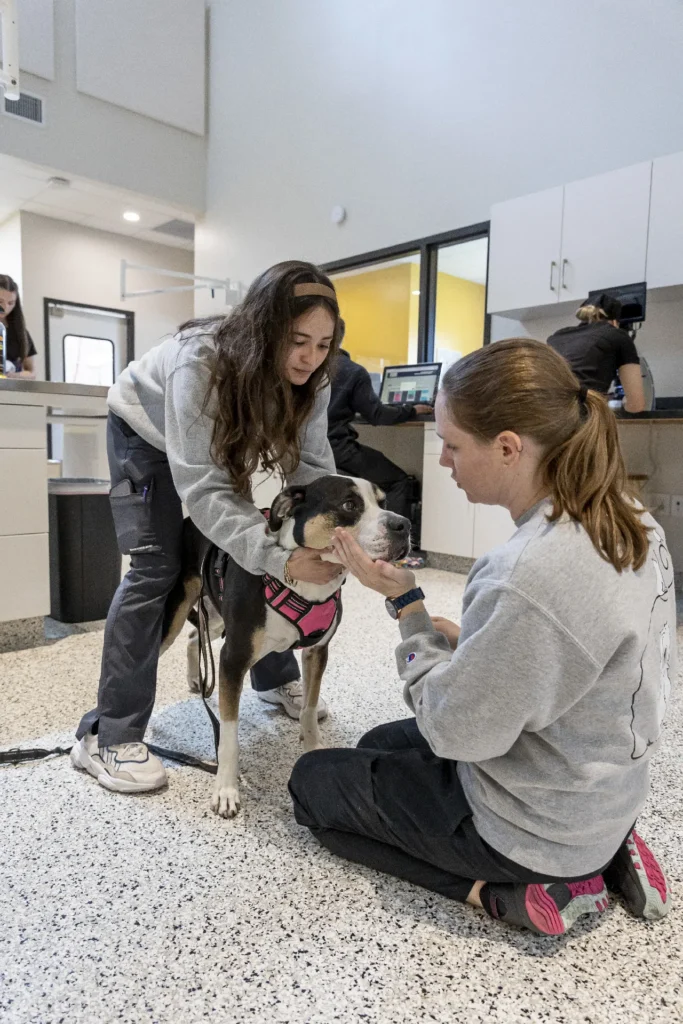
Who Can Scan a Microchip?
Most animal care organizations have universal microchip scanners, including:
- veterinary hospitals
- emergency veterinary clinics
- animal shelters and humane societies
- animal control officers
- police and fire departments
These organizations routinely scan found pets to help locate their owners before considering other outcomes.
Keeping Your Microchip Information Updated
After your pet receives a microchip, you will receive instructions for registering your contact information with the microchip database.
It is important to keep this information updated if you:
- move to a new address
- change phone numbers
- update emergency contacts
Up-to-date information ensures someone can reach you quickly if your pet is found.
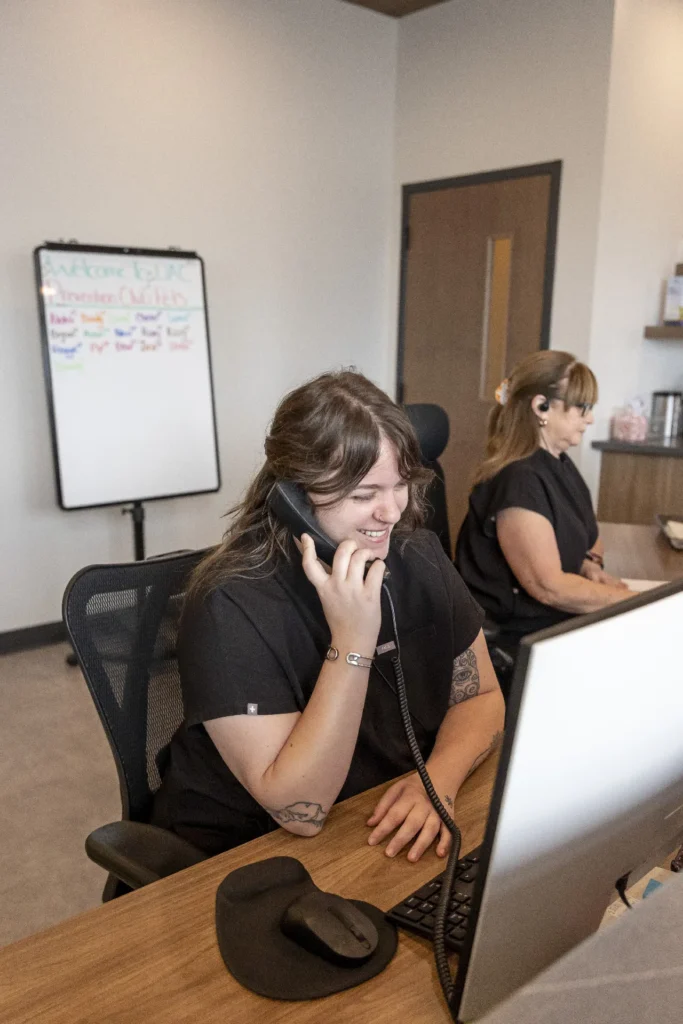
A Simple Step That Can Make a Lifelong Difference
Microchipping takes only a few seconds but can make an enormous difference if your pet ever becomes lost. At University Animal Clinic, we believe this small step provides important peace of mind for pet families throughout Sarasota, Lakewood Ranch, Bradenton, and the surrounding communities. If your dog or cat is not yet microchipped, our team would be happy to help you schedule this quick and important service.
A Simple Step That Helps Bring Pets Home
Microchipping is a safe, simple way to give your pet permanent identification and greatly increase the chances of being reunited if they are ever lost. Schedule a microchipping appointment and give your pet an extra layer of protection.